How to Recycle Metal at Home: Complete Step-by-Step Guide
Ever wondered what happens to all those aluminum cans and metal items you toss out? Here’s something that might surprise you: most metals can be recycled endlessly without losing quality, yet millions of tons end up in landfills every year. Not only is this terrible for our planet, but you’re also missing out on potential cash!
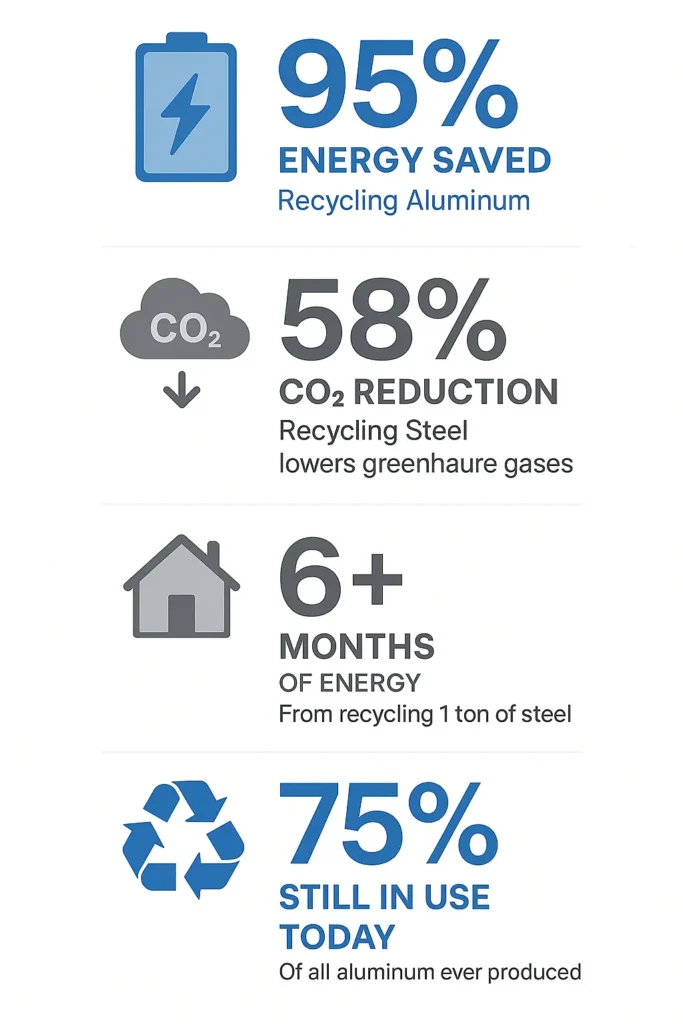
Recycling aluminum saves about 95% of the energy needed to make new cans from scratch. That’s huge! And the best part? Metal recycling at home is actually easier than you think. Whether you’re looking to reduce your environmental footprint or make some extra money from scrap metal, this guide will walk you through everything you need to know.
We’ll cover which metals you can recycle, how to sort and prepare them, where to take your recyclable metals, and even how to maximize the value of your scrap. Let’s dive into the world of sustainable metal disposal and turn your household waste into something valuable!
Why Recycling Metal at Home Matters
Before we get into the how-to, let’s talk about why metal recycling is so important. Trust me, the numbers are pretty eye-opening!
Environmental Benefits
When you recycle metals at home, you’re doing way more than just clearing out your garage. You’re actually helping conserve natural resources and keep waste out of landfills. Think about it: every piece of scrap metal that gets recycled means less mining and habitat destruction.
Here are some impressive facts: steel recycling reduces CO2 emissions by 58%. That’s more than half! And get this: recycling just one ton of steel saves enough energy to power an average home for over six months. Your metal recycling efforts really do make a difference in the fight against climate change.
Plus, when we recycle metals instead of mining new ore, we’re preserving our planet’s finite resources for future generations. It’s like giving the earth a much-needed break from constant extraction.
Economic Benefits
Now let’s talk money because metal is one of the few items you can regularly recycle for cash. Whether you’re collecting aluminum cans or hauling old appliances to the scrap yard, there’s real value in those metals.
Beyond your personal earnings, metal recycling creates jobs in the recycling industry and helps reduce manufacturing costs for companies. When manufacturers use recycled metal instead of virgin materials, they save on production expenses, and those savings can trickle down to consumers. It’s a win-win for everyone!
The scrap metal market is thriving, with local scrap yards paying by the pound for various types of metals. Some people even make a decent side income from metal collection and recycling.
Types of Metal You Can Recycle at Home
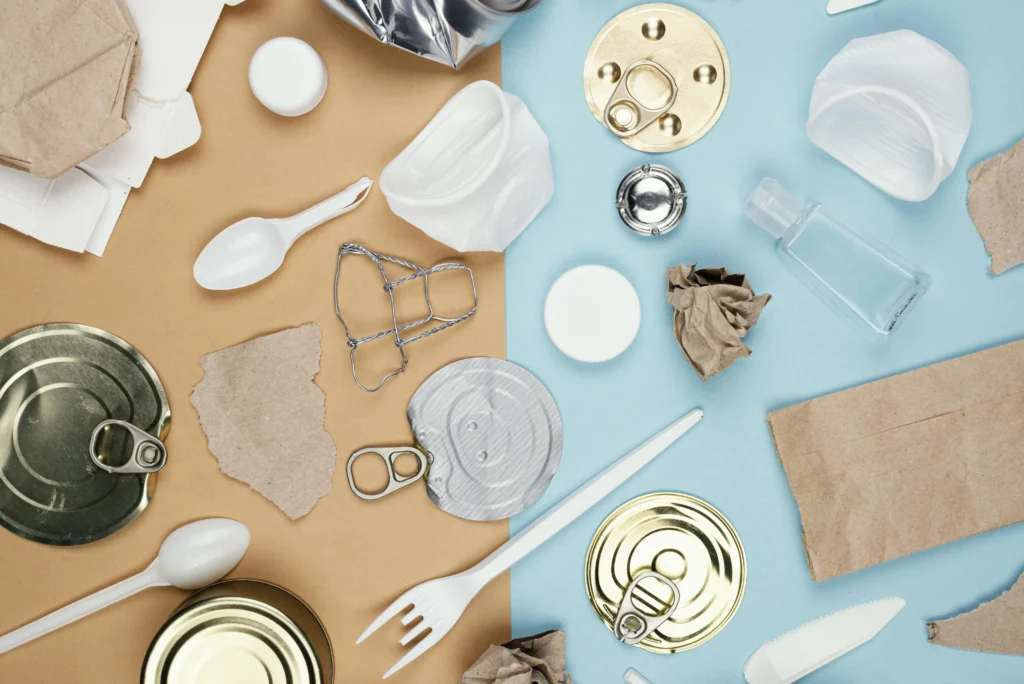
Not all metals are created equal when it comes to recycling! Understanding the difference between ferrous and non-ferrous metals will help you sort properly and maximize your recycling value. Let’s break down what you’re likely to find around your house.
Ferrous Metals (Magnetic)
Ferrous metals are the ones that stick to magnets. They contain iron, which makes them magnetic and generally less valuable than non-ferrous metals. But don’t let that discourage you; they’re still worth recycling!
Common ferrous metal items include steel cans (like soup cans and vegetable cans), old tools, metal furniture, and household appliances. You’ll also find iron cookware, hardware, nails, and screws in this category. The easiest way to identify ferrous metals? Just grab a magnet! If it sticks, you’ve got ferrous metal.
Most curbside recycling programs accept steel food containers, making these some of the easiest metals to recycle from home.
Non-Ferrous Metals (Non-Magnetic – Higher Value)
Here’s where things get interesting! Non-ferrous metals don’t contain iron, won’t stick to magnets, and are typically worth more money at scrap metal facilities.
Aluminum is the superstar here. Did you know that aluminum cans are the most recycled consumer product worldwide? Around 75% of all aluminum ever produced is still in use today. That’s pretty incredible! You’ll find aluminum in beverage cans, aluminum foil, baking trays, and even some window frames.
Copper is another valuable non-ferrous metal. Look for it in electrical wiring, plumbing pipes, and old electronics. Copper recycling pays well because it’s one of the most valuable metals to recycle. You’ll also find brass in fixtures and decorative items, and stainless steel in appliances and kitchenware.
Common Household Metal Items
Let’s get practical. What metal items are probably sitting in your home right now, waiting to be recycled?
Start with the obvious: soda cans, beer cans, soup cans, and other food containers. Then look around for old tools, bicycle frames, metal coat hangers, and cookie tins. Don’t forget about electronics with metal components, metal bottle caps (both aluminum and steel), kitchen cookware, and old appliances like toasters or microwaves.
Even small items add up! Those metal lids from jars, aerosol cans (once empty), and pieces of scrap copper wire are all recyclable.
What Cannot Be Recycled
Before you start tossing everything metal into your recycling bin, there are some important exceptions to know about.
Those shiny metallic chip bags and candy wrappers that pop back when you crumple them? They can’t be recycled because they’re actually aluminum fused with plastic film. Paint cans and motor oil cans are usually off-limits due to hazardous material contamination. The same goes for any metal items that contained toxic substances.
Also, watch out for mixed materials. If metal is permanently attached to non-recyclable materials (like some types of insulation or certain plastics), it might not be accepted. When in doubt, check with your local recycling program about their specific rules.
Step-by-Step Guide to Recycling Metal at Home
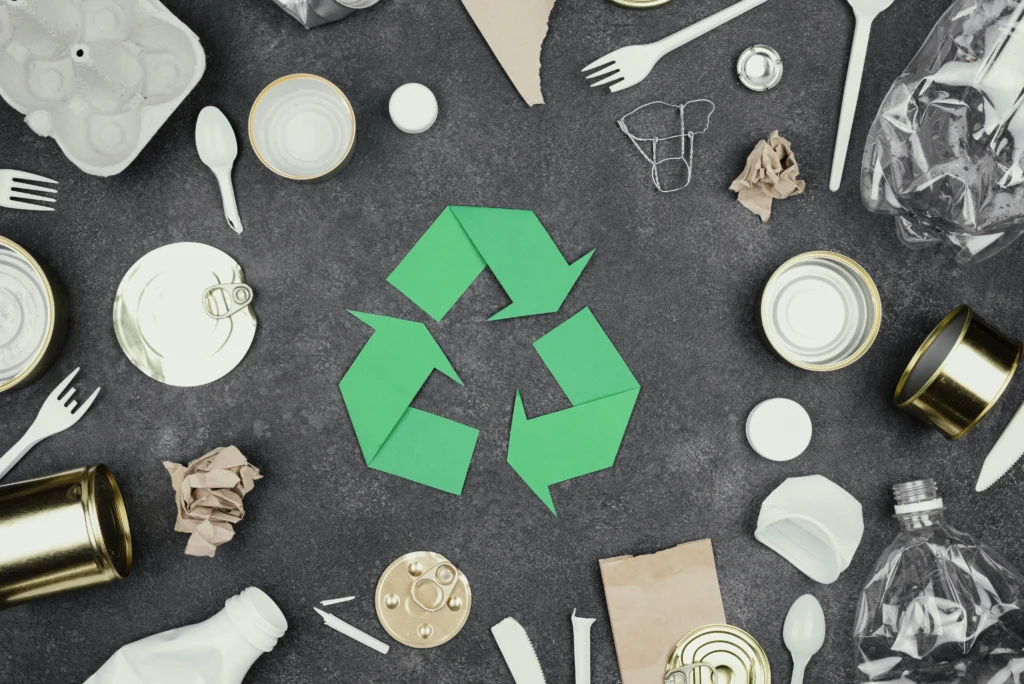
Ready to start your home metal recycling program? Follow these simple steps, and you’ll be sorting scrap metal like a pro in no time!
Step 1 – Identify and Sort Your Metals
First things first: you need to figure out what types of metal you’re dealing with. Grab a simple magnet from your fridge. This is your best friend for metal identification!
Hold the magnet up to each metal item. If it sticks, you’ve got ferrous metal (iron or steel). If it doesn’t stick, you’ve got non-ferrous metal (aluminum, copper, brass, or stainless steel). This magnet test is super easy and surprisingly accurate.
Once you’ve identified your metals, separate them by type. Use labeled containers or bins for each category: one for aluminum, one for steel, one for copper, and so on. Keeping metals separated from the start will save you tons of time later and maximize your value at the scrap yard.
Think of it like organizing your pantry. Everything has its place, and when things are sorted properly, the whole process runs smoother!
Step 2 – Clean Your Metal
Nobody wants dirty, grimy metal, including recycling facilities! Cleaning your recyclable metals isn’t just about being tidy; it actually increases their value and makes them easier to process.
For food containers like aluminum cans and tin cans, give them a quick rinse to remove stuck-on foods and liquids. You don’t need to scrub them spotless, but removing major food residue helps prevent contamination and odors.
For dirtier items, use a wire brush or mild soap to remove grease, dirt, and grime. If you’re dealing with copper wire, strip off the insulation using wire strippers. Clean copper is worth significantly more than insulated wire!
Also, remove any non-metal attachments like plastic handles, rubber grips, or wooden components. The purer your metal, the better the recycling value. Some scrap metal buyers pay 20-40% more for clean metals compared to dirty or contaminated ones.
Step 3 – Prepare Your Scrap
Now let’s get your metals ready for recycling or drop-off. Proper preparation makes a huge difference in how facilities handle your materials.
For aluminum cans, here’s a pro tip: keep the metal tabs inside the cans instead of removing them. Also, don’t crush your cans anymore! I know it seems counterintuitive, but crushing actually makes it harder for sorting machines to identify and separate them properly.
For steel cans, keep the metal lid inside the can. This ensures those small lids don’t get lost in the sorting process. If you have large metal items like old furniture or appliances, break them down into manageable pieces if possible.
Remove any obvious contaminants before you head to the recycling center. Things like stickers are usually okay, but remove plastic components, rubber seals, or other non-metal materials when you can. The cleaner and more separated your metals are, the more valuable they become.
Step 4 – Store Properly
You’ve sorted, cleaned, and prepared your metals. Now you need to store them until you have enough to make a trip to the recycling center worthwhile.
Store your scrap metal in a dry, covered area to prevent rust and degradation. Moisture is metal’s enemy! A garage, shed, or covered porch works great. If you’re storing outdoors, use weatherproof containers with lids.
Keep your different metal types separated during storage. You’ve already done the hard work of sorting; don’t let them get mixed up again! Use sturdy containers that won’t break or tear during transport. Those flimsy plastic bags won’t cut it when you’re dealing with sharp metal edges.
Also, think about safety. Store metal items away from children and pets, especially if there are sharp edges or small pieces that could be dangerous.
Where to Take Your Recycled Metal
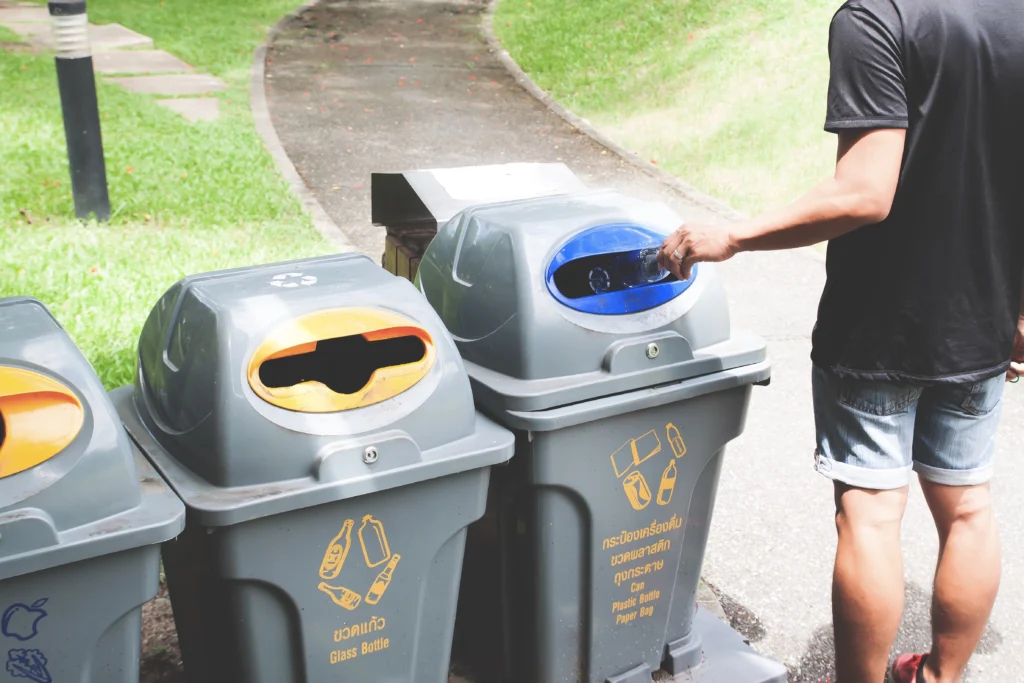
You’ve got your metals sorted, cleaned, and ready to go. But where exactly do you take them? Let’s explore your options for metal disposal and recycling.
Curbside Recycling Programs
The easiest option is right at your doorstep! Most municipal recycling programs accept aluminum and steel cans through regular curbside pickup. Just toss them in your recycling bin on collection day, and you’re done.
But here’s the catch: curbside programs have limitations. They typically only accept metal food and beverage containers, not larger metal items or mixed materials. Check your local guidelines for a complete list of accepted items and any preparation requirements.
Some communities also have specific rules about how to prepare metals for curbside pickup. Following these guidelines ensures your items actually get recycled instead of rejected at the sorting facility.
Local Scrap Yards
Want to turn your scrap metal into cash? Head to your local scrap yard! Most scrap metal recyclers pay by the pound, and the rates vary depending on the type and quality of metal you bring in.
Before you load up your truck, call ahead to check current scrap metal prices. The metal market fluctuates daily, so timing can affect your payout. Also, bring a valid ID; scrap yards require identification to prevent theft of stolen metal.
When you arrive, they’ll weigh your metals, sort them by type, and pay you based on current metal pricing per pound. Non-ferrous metals like copper and aluminum typically fetch higher prices than ferrous metals.
Pro tip: build a relationship with a local scrap metal dealer. Regular customers sometimes get better rates or helpful advice on maximizing value.
Scrap Metal Collection Services
Got large or bulky metal items like old appliances, metal furniture, or a mountain of scrap? Consider professional scrap metal pickup services. These companies come to your home, haul away your metal items, and often pay you for valuable metals.
This option is perfect when you’re dealing with heavy items that are difficult to transport yourself. It’s also great for one-time cleanouts, estate sales, or renovation projects where you’ve accumulated lots of metal waste.
Some services specialize in appliance recycling or construction metal removal. They handle all the heavy lifting and transportation, saving your back and your time!
Specialty Recycling Centers
Certain metal items need special handling and can’t go through regular recycling channels. That’s where specialty centers come in.
Electronics recycling centers accept computers, phones, and other devices with metal components. These facilities safely extract valuable metals while properly disposing of hazardous materials. Many manufacturer take-back programs also accept old appliances and electronics, sometimes offering trade-in value or free disposal.
Community recycling events are another great option. Many cities hold periodic collection days for hard-to-recycle items, including various metals. Keep an eye on your local municipality’s website for upcoming events.
Common Mistakes to Avoid
Even with the best intentions, it’s easy to make mistakes when you’re new to metal recycling. Here are the pitfalls to watch out for!
One of the biggest mistakes? Not sorting metals properly. When you mix ferrous and non-ferrous metals, or combine different grades together, you reduce the overall value. Scrap yards might even reject mixed loads or pay you the lowest rate for the entire batch.
Leaving contaminants attached is another value-killer. Those plastic handles, rubber gaskets, and non-metal components drag down your prices. Take a few extra minutes to remove them!
Despite what you might have heard in the past, crushing aluminum cans actually makes sorting harder at modern recycling facilities. Their optical sorters need to see the can’s shape to properly identify it.
Don’t recycle items with hazardous materials without proper preparation. Paint cans, containers with chemical residue, and items contaminated with oil or other substances need special handling. When in doubt, ask!
Finally, not researching local scrap yard prices before you go can cost you money. Prices vary between facilities, and knowing the going rates helps ensure you’re getting fair value for your metals.
Further Reading:
How to Recycle Old Cell Phones – The Complete Guide
How to Recycle Plastic Bottles – Complete Step-by-Step Guide
Is it Legal to Throw Away Batteries?
Is It Legal to Dump Ashes in the Ocean? A Complete Legal & Environmental Guide
Conclusion
Look, recycling metal at home isn’t rocket science. It’s actually one of the easiest ways to reduce your environmental impact while potentially earning some extra cash. Remember those impressive stats? Steel recycling cuts CO2 emissions by 58%, and recycling aluminum saves 95% of the energy needed to make new cans. Your efforts really do matter!
Start small if you need to. Set up a simple sorting system in your garage or utility room. Grab a magnet, a few bins, and start separating those aluminum cans from steel ones. Clean them, store them properly, and before you know it, you’ll have enough to make your first trip to the scrap yard.
The beauty of metal recycling is that it keeps valuable resources in circulation instead of wasting them in landfills. Plus, you’re supporting the circular economy and helping create recycling industry jobs. And hey, if you make a little money along the way, that’s just the cherry on top!
FAQ’s
The Author

I’m Muhammad Nabeel Dar, an employee in waste management and the owner of Garbage Waste Disposal with more than four years of experience helping people to control waste and garbage disposals are the best tools to control it. Read more