How to Recycle Plastic Bottles – Complete Step by Step Guide
Every year, billions of plastic bottles end up in landfills or oceans, harming marine life and fueling global warming. Learning how to recycle plastic bottles isn’t just about tidying up your trash — it’s about protecting our planet. Recycling helps fight plastic pollution prevention, reduces carbon emissions, and supports environmental sustainability.
By understanding what to recycle and how, you can help create a cleaner, greener world and join the growing movement for a circular economy.
Understanding Plastic Bottles and Recycling Basics
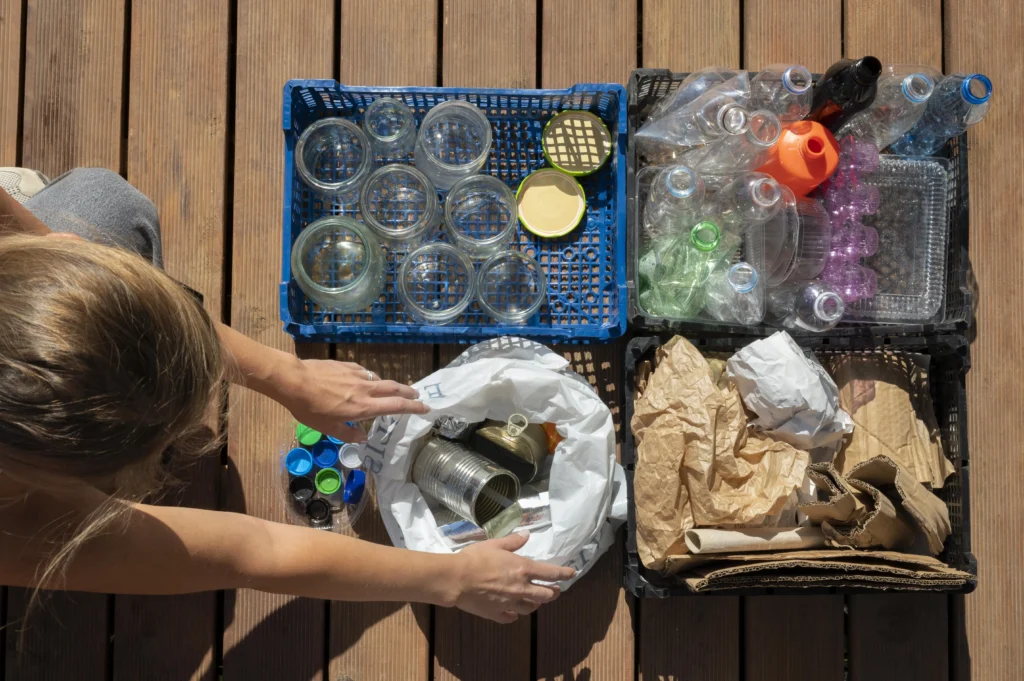
Most plastic bottles are made from PET (Polyethylene Terephthalate) or HDPE (High-Density Polyethylene) — two of the easiest materials to recycle. These plastics are collected, sorted by type and color, shredded, and turned into post consumer recycled materials like fibers, packaging, or even furniture. This process reduces energy consumption by up to 60% compared to producing new plastic, making it a cornerstone of waste reduction and environmental conservation efforts worldwide.
Once collected, bottles enter municipal waste management systems where they are cleaned and melted into pellets. Those pellets are then sold to manufacturers for new products, powering the cycle of sustainable packaging. The better you prepare your bottles for recycling, the higher their quality and the lower the recycling contamination risk.
Which Plastic Bottles Can Be Recycled
Not all bottles are the same, but most everyday containers like water, juice, soda, and milk bottles can be recycled. Look for resin codes #1 (PET) or #2 (HDPE) on the bottom. These are the most accepted by recycling programs and have a high recovery rate thanks to advanced plastic recovery facilities.
| Plastic Type | Common Use | Recyclable? | Recycling Notes |
|---|---|---|---|
| #1 PET | Water & soda bottles | ✅ Yes | Rinse and keep caps on |
| #2 HDPE | Milk, detergent bottles | ✅ Yes | Accepted in most areas |
| #5 PP | Yogurt cups, caps | ⚠️ Sometimes | Check local recycling agency rules |
Which Plastic Bottles Cannot Be Recycled
Some plastics just don’t make the cut. Bottles labeled #3 PVC, #6 PS, or #7 mixed plastics often can’t be recycled because they release toxins when heated or lack the infrastructure for reuse. Even recyclable bottles can be rejected if they contain leftover liquid, grease, or labels that interfere with sorting machines.
If unsure, contact your community recycling program to confirm what’s accepted. Instead of throwing away non-recyclables, try creative upcycling ideas — turn them into planters, bird feeders, or craft projects. This simple habit supports reuse and repurpose plastic efforts, keeping waste out of landfills and extending the plastic’s life cycle.
How to Recycle Plastic Bottles at Home
You don’t need a special facility to start recycling. Begin by rinsing and drying your bottles thoroughly to avoid mold or odor. Remove straws or labels that aren’t recyclable. Flatten bottles to save space before placing them in your home bin. When you recycle plastic bottles at home, always follow recycling rules and guidelines printed on your local waste collection bins.
If you’re feeling creative, turn bottles into plastic reuse ideas like self-watering planters or pen holders. These small acts teach environmental education within your household and reduce the number of items entering the plastic recovery facilities, promoting green living practices.
How to Recycle Plastic Bottles Outside Home
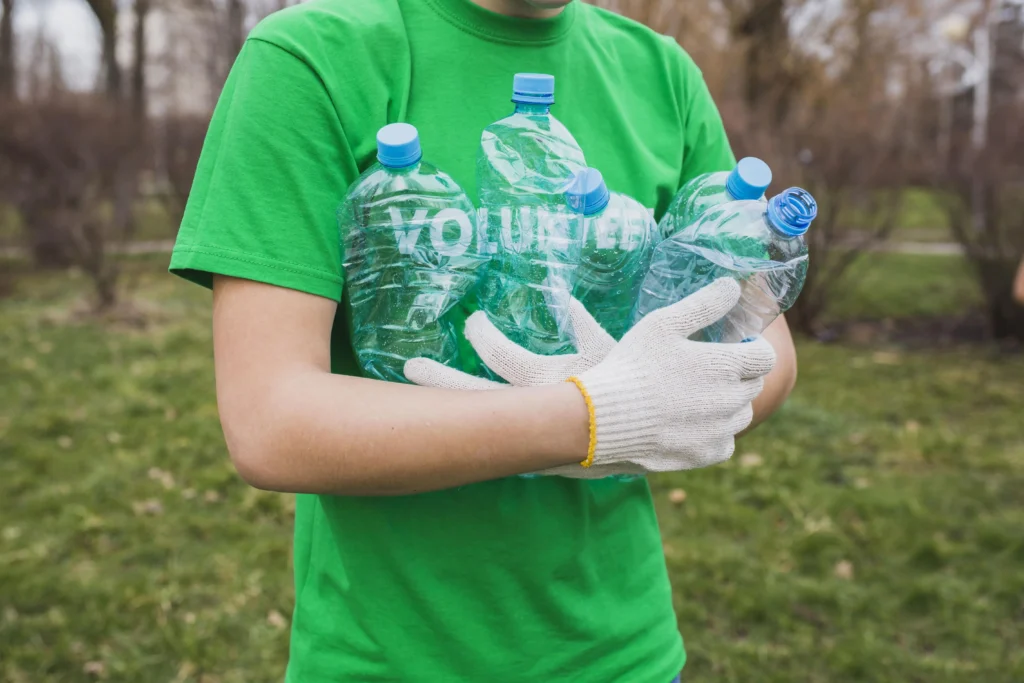
When you’re out, it’s easy to forget about recycling. Use store drop-off recycling stations available at supermarkets for bags and bottles. Many cities also run recycling collection programs in parks, malls, and public transit areas. If your workplace or school has bins, use them — every bottle counts toward community recycling initiatives.
Search “recycling center near me” to locate nearby recycling collection programs. Public participation in municipal waste management ensures bottles are properly processed, supporting plastic pollution prevention and a cleaner urban environment.
Common Mistakes to Avoid in Plastic Recycling
Even well-intentioned recyclers make errors that can ruin an entire recycling batch. Tossing greasy or half-filled bottles contaminates clean materials. Mixing bags, wrappers, or recycling yogurt cups and clamshells with bottles confuses sorting machines and slows down the process. Avoid “wish-cycling” — throwing something in the bin just because you think it might be recyclable.
Common mistakes include:
- Throwing greasy or unwashed bottles into recycling bins.
- Leaving liquids inside bottles before disposal.
- Mixing different plastic types together.
- Adding plastic bags or wrappers with bottles.
- Ignoring local recycling agency guidelines.
Beyond the Kitchen – Hidden Places to Recycle Plastic
Recycling doesn’t stop at your kitchen. Your bathroom, garage, and laundry area are full of recyclable plastics i.e. shampoo bottles, detergent jugs, and spray cleaners. Collecting these supports waste reduction and helps create consistent everyday recycling habits.
Many households overlook these spaces, but expanding your efforts reinforces environmental awareness campaigns and local participation in the zero waste movement. Remember: recycling is local, so always verify your recycling rules and guidelines before disposal.
What Happens After You Recycle a Plastic Bottle
Once your bottles leave the bin, they begin an incredible journey. They’re collected, sorted, shredded, washed, and melted into new pellets — the foundation of recycled plastic manufacturing. These pellets are used to create furniture, textiles, packaging, or construction materials, closing the loop of the circular economy.
| Stage | Process | Output |
|---|---|---|
| Collection | Bins & facilities | Sorted bottles |
| Cleaning | Rinse, remove labels | Flakes |
| Processing | Melt & pelletize | Recycled resin |
| Reuse | Manufacturing | New plastic goods |
Environmental Impact and Sustainability Benefits
Proper plastic recycling reduces landfill overflow and saves enormous energy. Recycling one ton of plastic bottles can save up to 3.8 barrels of oil and thousands of kilowatt-hours of electricity, contributing to carbon footprint reduction. This process also limits ocean dumping, protecting marine species and promoting marine environment protection.
Recycling directly supports sustainable burial practices and eco-friendly lifestyle improvements. As more people adopt recycling, we move closer to a world that values environmental sustainability and resource efficiency.
Innovative and Future Recycling Solutions
The future of recycling is evolving rapidly. Technologies like chemical recycling and bio-recycling break down plastics into their base molecules, offering near-infinite reuse potential. Governments are launching deposit-return schemes, while companies like Coca-Cola and Pepsi invest in sustainable packaging and environmental compliance initiatives.
As the zero waste movement grows, industries adopt eco-friendly lifestyle designs and circular economy models to eliminate waste entirely. Supporting these innovations keeps plastic pollution prevention at the forefront of global action.
Conclusion
Recycling plastic bottles is more than a routine chore; it’s an act of responsibility. Every bottle you clean and recycle supports environmental conservation and community recycling initiatives. By learning how to recycle plastic bottles properly and teaching others, you become part of a worldwide solution.
Small choices like rinsing a bottle, sorting correctly, or sharing plastic recycling awareness create longterm change. Let’s make every bottle count toward a cleaner planet and a more sustainable future for all.
The Author

Muhammad Nabeel Dar has worked in the waste management industry for over 10 years, specializing in residential waste systems and kitchen efficiency solutions. He writes about practical home improvements, cost-effective appliance choices, and sustainable waste management practices that help homeowners make informed decisions. His hands-on experience with both commercial and residential waste systems provides unique insights into what actually works well in real-world home environments versus what just sounds good in marketing materials.