
How to Choose the Right Garbage Disposal HP: Ultimate Guide
Horsepower (HP) is the single most important spec when choosing a garbage disposal. Pick too little and you get constant jams. Pick too much and you overspend on power you do not need.
This guide breaks down all four common HP sizes — 1/3, 1/2, 3/4, and 1 HP — with honest recommendations on who should buy each one.
Quick Answer: Which HP Do You Need?
| Household | Recommended HP | Price Range |
|---|---|---|
| 1 person, light cooking | 1/3 HP | $40–$80 |
| 1-2 people | 1/2 HP | $50–$130 |
| 2-4 people | 3/4 HP | $80–$250 |
| 4+ people | 1 HP | $100–$400 |
Not sure where you fall? Read on for the detailed breakdown.
1/3 HP: Light Use Only
A 1/3 HP motor runs at 1,725-1,900 RPM and handles soft food scraps — fruit peels, cooked vegetables, bread, small amounts of pasta. That is about it.
Who should buy 1/3 HP:
- Single person who rarely cooks
- Vacation home or rental property
- Studio apartment with minimal kitchen use
Who should avoid 1/3 HP:
- Anyone who cooks regularly
- Families of any size
- Households that produce bones, fibrous vegetables, or fruit pits
1/3 HP disposals jam easily when overloaded and lack noise insulation. Most plumbers do not recommend them because the repair costs from frequent jams can exceed the price of a better unit.
Recommended 1/3 HP models:
- Waste King L-111 — stainless steel grind components, 1,900 RPM, 2-year warranty
- InSinkErator Badger 1 — 1,725 RPM, galvanized steel, 1-year warranty
1/2 HP: Entry-Level for Regular Use
A 1/2 HP motor provides enough power for everyday soft food waste in a small household. You can grind fruit, cooked vegetables, fish bones, cooked meat scraps, and small amounts of food at a time.
Who should buy 1/2 HP:
- 1-2 people who cook a few times per week
- Budget-conscious buyers who want a step up from 1/3 HP
- Renters who want something decent but not permanent
Who should avoid 1/2 HP:
- Families of 3+ people
- Anyone who frequently grinds bones or fibrous vegetables
- Heavy cooks who generate large volumes of food waste
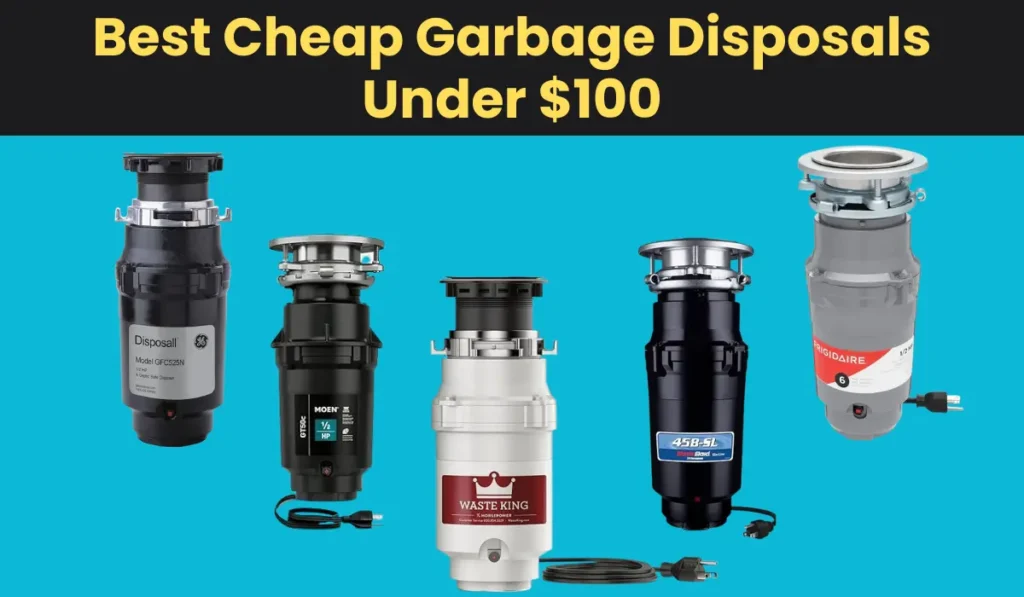
1/2 HP models are the most common in budget price ranges. They get the job done for light use, but they lack the torque to power through tough scraps. Overloading leads to jams. For budget options, check our 14 best garbage disposals under $100.
Recommended 1/2 HP models:
- Waste King L-2600 — stainless steel, 2,600 RPM, 5-year warranty
- InSinkErator Badger 5 — 1,725 RPM, galvanized steel, 3-year warranty
3/4 HP: The Sweet Spot for Most Homes
3/4 HP is the most popular disposal size in America, and for good reason. It delivers enough power for regular cooking — chicken bones, fruit pits, raw meat, cooked pasta, vegetable scraps — without the premium price of a 1 HP model.
Who should buy 3/4 HP:
- Families of 2-4 people
- Households that cook daily
- Anyone who wants reliable grinding without frequent jams
Who should avoid 3/4 HP:
- Heavy cooks who regularly grind beef bones or very large loads
- Households of 5+ people generating high volumes of waste
Many 3/4 HP models include features that 1/2 HP units lack: multi-stage grinding, noise insulation, and longer warranties. This is the HP level where you start getting real value for your money.
Recommended 3/4 HP models:
- InSinkErator Evolution Compact — 2-stage MultiGrind, SoundSeal, 8-year warranty
- Waste King L-3200 — 2,700 RPM, stainless steel, 8-year warranty
1 HP: Maximum Power for Heavy Use
1 HP disposals are the strongest residential models available. They grind beef bones, large chicken carcasses, fibrous vegetables (celery, artichokes), fruit pits, and large volumes of food waste. Multi-stage grinding systems in premium 1 HP models reduce everything to fine particles that flush cleanly.
Who should buy 1 HP:
- Families of 4+ people
- Households that cook daily and produce large volumes of waste
- Anyone who wants to grind bones regularly
- People who hate dealing with disposal jams
Who should avoid 1 HP:
- Small households that do not cook heavily (you are paying for power you will not use)
- Tight budgets (1 HP models start around $100 and go up to $400+)
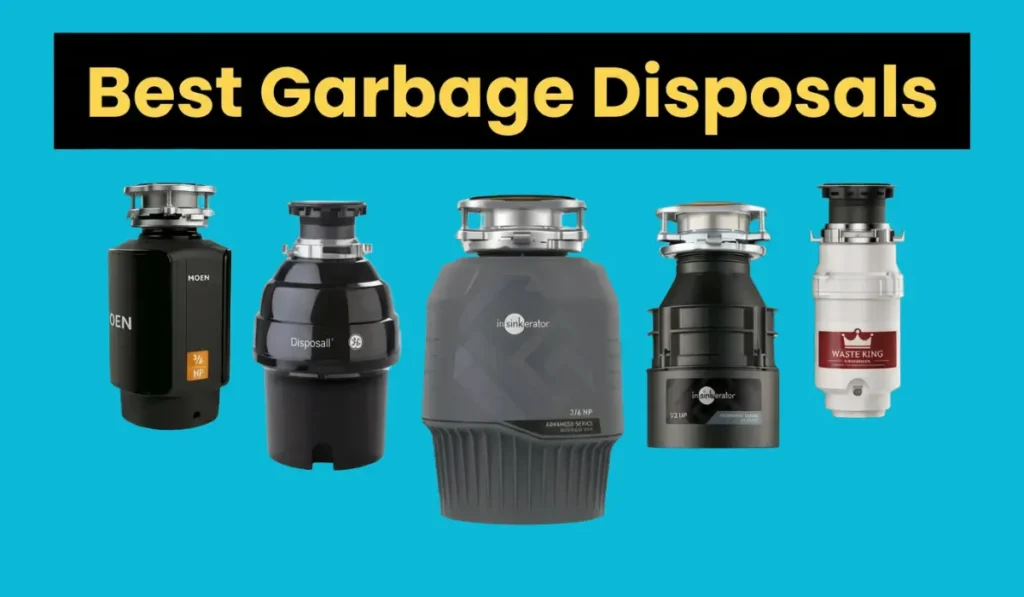
Most 1 HP models include noise insulation, stainless steel components, and long warranties. They cost more upfront but last longer and require fewer repairs. See our best garbage disposals of 2026 for top picks at every HP level.
Recommended 1 HP models:
- InSinkErator Evolution Advanced — SoundSeal, MultiGrind, 10-year warranty
- Waste King L-8000 — 2,800 RPM, 20-year warranty
HP vs Price: What to Expect
| HP | Typical Price Range | Typical Warranty |
|---|---|---|
| 1/3 HP | $40–$80 | 1-2 years |
| 1/2 HP | $50–$130 | 2-5 years |
| 3/4 HP | $80–$250 | 3-8 years |
| 1 HP | $100–$400+ | 6-20 years |
Higher HP models cost more, but they also come with longer warranties, sturdier components, and features like noise insulation that cheaper models skip.
What Each HP Size Can Grind
| Food Type | 1/3 HP | 1/2 HP | 3/4 HP | 1 HP |
|---|---|---|---|---|
| Fruit peels | Yes | Yes | Yes | Yes |
| Cooked meat | No | Yes | Yes | Yes |
| Chicken bones | No | No | Yes | Yes |
| Beef bones | No | No | No | Yes |
Regardless of HP, never put these items in any disposal: grease/oil, pasta/rice in large amounts, non-food items, glass, metal, plastic, or expandable foods like bread dough. For the full list, read what not to put in a garbage disposal.
Common Myths About HP
“Bigger HP always means better.” Not true. A 1 HP disposal in a one-person apartment is wasted money. Match the HP to your actual food waste volume.
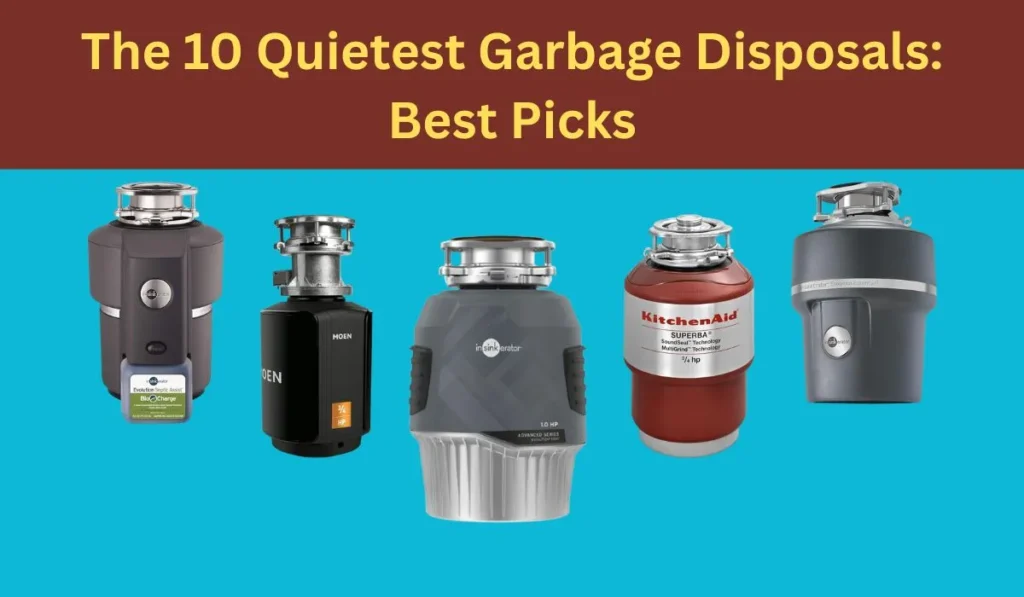
“1 HP disposals are always loud.” False. Premium 1 HP models (InSinkErator Evolution Advanced, Pro 1100XL) include multi-layer noise insulation and run quieter than uninsulated 1/3 HP models. See our quietest disposals guide.
“1/3 HP is useless.” Not entirely. For someone who eats light meals and generates very little food waste, a 1/3 HP works fine. It just has a narrow range of capabilities.
“Higher HP uses more electricity.” Technically true, but the difference is negligible. Disposals run for 30-60 seconds per use. The annual electricity cost difference between 1/3 HP and 1 HP is typically under $5.
Conclusion
Buy 1/3 HP if you live alone, barely cook, or need a disposal for a vacation property. Keep expectations low.
Buy 1/2 HP if you are on a tight budget, cook a few times per week, and only grind soft food scraps.
Buy 3/4 HP if you want the best balance of price and performance. This is the right choice for most American households.
Buy 1 HP if you cook daily for 4+ people, want to grind bones and tough vegetables, and never want to deal with jams. The extra cost pays for itself in durability and convenience.
FAQ’s
The Author

Muhammad Nabeel Dar is the founder of GarbageWasteDisposal.com, where he researches and evaluates garbage disposals, kitchen sinks, and kitchen appliances to help homeowners make confident buying decisions. After analyzing over 30 garbage disposal models, multiple kitchen sink configurations, and a growing range of kitchen products across brands like InSinkErator, Waste King, Moen, GE, Frigidaire, and KRAUS — and reviewing thousands of verified customer experiences — he focuses on what actually matters: real-world performance, build quality, noise levels, installation ease, durability, and whether a product is worth the price. His reviews are independent, never sponsored, and written to give you the honest details manufacturers won’t tell you.