
How to Choose the Right Garbage Disposal HP: Ultimate Guide
Horsepower is the first spec every buyer looks at, and for good reason. Too little HP means constant jams on anything tougher than a banana peel. Too much HP means spending $300 on a motor you will never push past 40% capacity. The sweet spot depends on how many people live in your home, how often you cook, and what kind of scraps you put through the disposal.
This guide covers every residential HP size including the 5/8 HP tier that most guides skip, direct comparisons between the sizes people most commonly debate, and the actual amp draw numbers by motor size so you can verify your electrical setup before buying.
Quick Answer: Which HP Do You Need
| Household | Recommended HP | Price Range | Why |
|---|---|---|---|
| 1 person, light cooking | 1/3 HP | $40 to $80 | Handles soft scraps only, jams on anything hard. |
| 1 to 2 people, regular cooking | 1/2 HP | $50 to $150 | Everyday soft food waste, budget friendly. |
| 2 to 3 people, moderate cooking | 5/8 HP | $80 to $180 | Mid-tier step up, handles chicken bones. |
| 2 to 4 people, daily cooking | 3/4 HP | $120 to $280 | Best balance of power and price for most homes. |
| 4+ people, heavy daily cooking | 1 HP | $150 to $400+ | Grinds everything, fewest jams, longest lifespan. |
If you are a family of 2 to 4 who cooks daily, 3/4 HP is the answer for most situations. Read on for the detailed breakdown of each size and the head-to-head comparisons.
1/3 HP: Bare Minimum
A 1/3 HP motor grinds soft food scraps and not much else. Fruit peels, cooked vegetables, bread, small amounts of pasta. Feed it a chicken bone or a celery stalk and you are reaching for the Allen wrench.
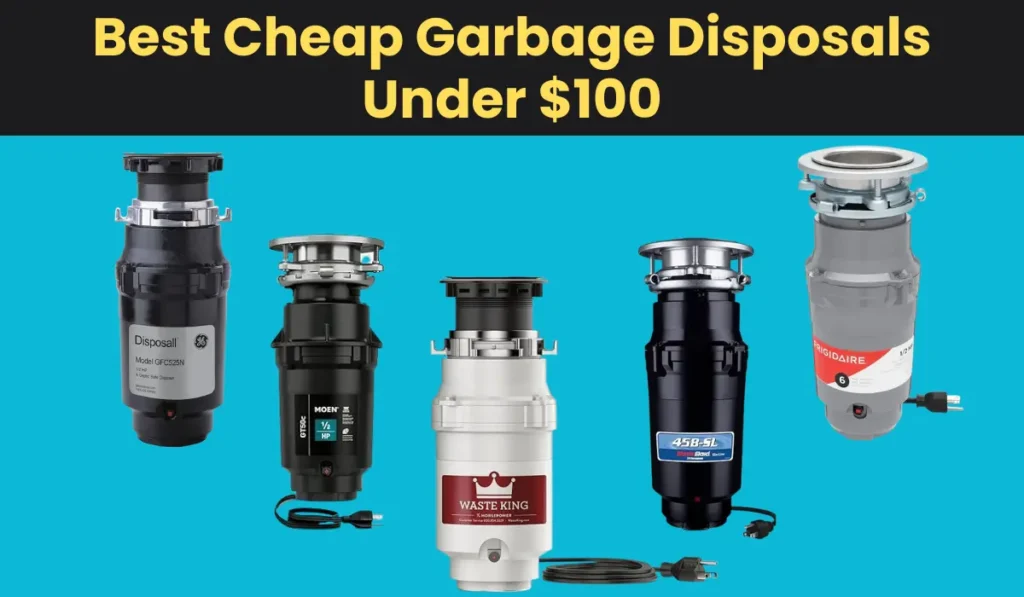
These units are cheap ($40 to $80), light, and simple. They make sense for a single person who barely cooks, a vacation property that sees a few weeks of use per year, or a rental unit where the landlord wants the lowest possible replacement cost.
They do not make sense for anyone who cooks regularly. The motor lacks torque, jams are frequent, noise insulation is nonexistent, and warranties are short (1 to 2 years). Most plumbers advise spending the extra $40 to step up to 1/2 HP because the repair visits on a 1/3 HP unit often cost more than the disposal itself.
Amp draw: 3 to 5 amps at 120 volts. Runs on a standard 15-amp circuit without issues.
Typical models: Waste King L-111 (stainless components, 2-year warranty), InSinkErator Badger 1 (galvanized components, 1-year warranty).
1/2 HP: Entry-Level for Regular Kitchens
The step up to 1/2 HP adds meaningful torque. You can grind cooked meat scraps, fish bones, fruit, cooked vegetables, and moderate amounts of food waste per batch. It is the most common HP in budget disposals and the size most apartments ship with.
For 1 to 2 people who cook a few times per week, a 1/2 HP handles the daily load without drama. The motor still struggles with hard bones, fibrous vegetables, and large batches, but for normal plate scraps it performs well enough.
Is 1/2 HP garbage disposal enough? For a small household with moderate cooking habits, yes. For a family that cooks dinner every night, it will frustrate you within six months. The jam frequency on tough scraps is noticeably higher than 3/4 HP.
Amp draw: 4 to 7 amps at 120 volts. Runs on a 15-amp circuit.
Typical models: Waste King L-2600 (stainless, 2,600 RPM, 5-year warranty), InSinkErator Badger 5 (galvanized, 1,725 RPM, 3-year warranty).
5/8 HP: The Size Most Guides Ignore
5/8 HP sits between 1/2 and 3/4 and fills a gap that most buying guides pretend does not exist. Fewer models are available at this tier, but the ones that exist offer a real middle ground for buyers who find 1/2 HP too weak and 3/4 HP too expensive.
The extra torque over 1/2 HP is noticeable with chicken bones and medium-density scraps. It will not match a 3/4 HP motor on heavy loads, but for households of 2 to 3 people who cook regularly without generating large volumes of tough waste, 5/8 HP is a practical choice at a lower price point than 3/4 HP models.
Is 5/8 HP worth it over 1/2 HP? If the price difference is under $30, yes. The extra 1/8 HP translates to meaningful improvement on chicken bones and harder fruit scraps. If the price gap is larger, spend the extra and go 3/4 HP.
Amp draw: 5 to 8 amps at 120 volts. Runs on a 15-amp circuit but a 20-amp is recommended.
3/4 HP: The Right Choice for Most American Kitchens
This is the size disposal that most plumbers recommend and most households are happiest with long-term. A 3/4 HP motor grinds chicken bones, fruit pits, raw meat trimmings, cooked pasta, vegetable scraps, and moderate batches of mixed food waste without straining.
At this tier you start getting features that cheaper units skip: multi-stage grinding systems, noise insulation, stainless steel grinding components, and warranties of 5 to 10 years. The jump from $80 (budget 1/2 HP) to $150 (mid-range 3/4 HP) buys years of additional lifespan and meaningfully fewer jams.
3/4 HP is the sweet spot for families of 2 to 4 people who cook daily. You spend less than 1 HP, get significantly more capability than 1/2 HP, and avoid the jam frustration that drives people to upgrade within the first year.
Amp draw: 7 to 9 amps at 120 volts. A 20-amp dedicated circuit with 12 AWG wiring is recommended.
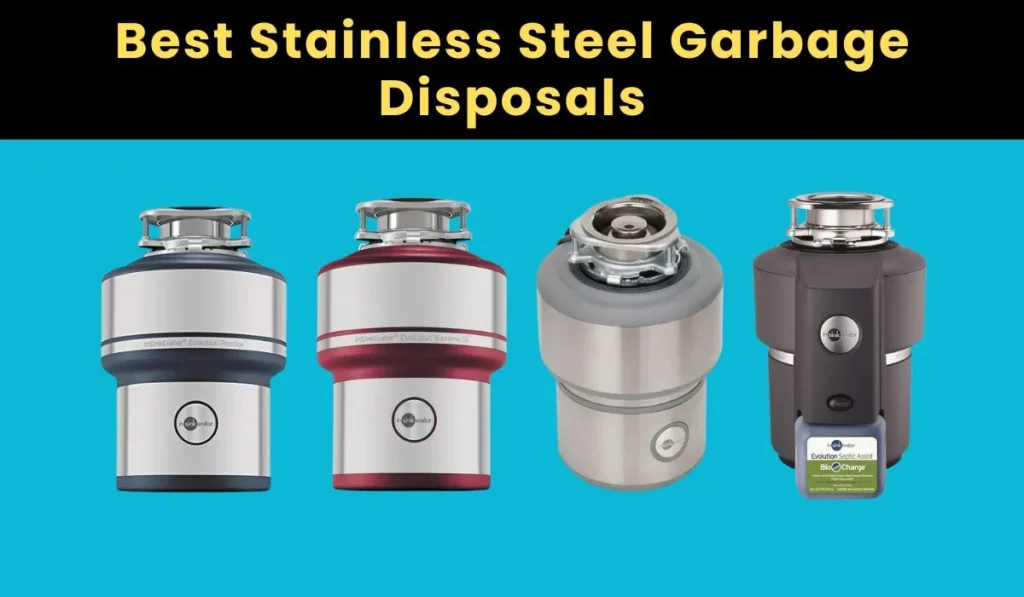
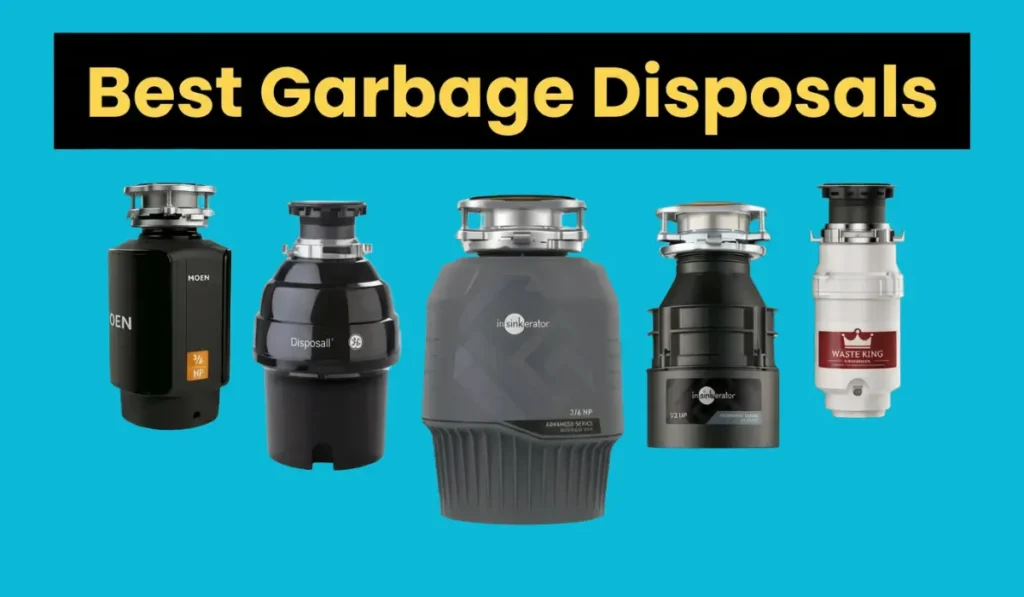
Typical models: InSinkErator Evolution Compact (2-stage grinding, SoundSeal, 3-year warranty), Waste King L-3200 (stainless, 2,700 RPM, 8-year warranty), Moen EX75C (stainless, SoundSHIELD).
1 HP: Maximum Residential Power
1 HP disposals grind everything a residential kitchen produces. Beef bones, large chicken carcasses, fibrous vegetables, fruit pits, and large volume batches. Multi-stage grinding on premium models reduces output to fine particles that flush cleanly through any residential plumbing.
These are the units that families of 4+ people, heavy daily cooks, and anyone tired of dealing with jams should buy. The motor has enough reserve capacity to handle whatever you throw in without the slowdowns and strain that smaller motors show under heavy loads.
The tradeoff is cost. 1 HP models start around $150 for a Waste King L-8000 and go up to $400+ for an InSinkErator Evolution 1HP Advanced Series. But they last 10 to 15 years, come with the longest warranties available, and produce the fewest service calls of any disposal class.
Amp draw: 9 to 12 amps at 120 volts. Requires a 20-amp dedicated circuit with 12 AWG wiring.
Typical models: Waste King L-8000 (2,800 RPM, 20-year warranty), InSinkErator Evolution 1HP (4-stage grinding, SoundSeal, 10-year warranty).
HP Comparisons: The Matchups People Search For Most
1/3 HP vs 1/2 HP Garbage Disposal
The jump from 1/3 to 1/2 HP is the most impactful upgrade per dollar in the entire disposal market. A 1/3 HP motor jams on anything harder than soft fruit. A 1/2 HP handles cooked meat, fish bones, and moderate loads. The price difference is $20 to $40. For that gap you get meaningful torque improvement, better warranties, and significantly fewer jams. There is almost no scenario where buying 1/3 HP over 1/2 HP is the right call unless budget is the absolute only consideration.
1/2 HP vs 3/4 HP Garbage Disposal
This is the comparison that gets searched most because it is the genuine decision point for the largest number of buyers. The 1/2 HP handles everyday soft scraps at the lowest cost. The 3/4 HP handles chicken bones, fruit pits, and fibrous vegetables without jamming. If you cook more than three times per week and your food waste includes anything harder than cooked vegetables, the 3/4 HP pays for itself in avoided jams within the first year. The price gap is typically $40 to $100.
5/8 HP vs 3/4 HP Garbage Disposal
Fewer models exist at 5/8 HP, and the price gap between them and 3/4 HP models is often under $30. At that margin, the 3/4 HP is the better purchase. You get more torque, more model options, better features at the same price tier, and longer warranties. The only reason to choose 5/8 HP over 3/4 HP is if the specific 5/8 HP model you found costs significantly less and your household does not cook heavily enough to need the extra power.
3/4 HP vs 1 HP Garbage Disposal
Both handle daily household cooking without issues. The difference shows up under heavy loads and with tough scraps. A 3/4 HP slows down on beef bones and large batches. A 1 HP absorbs them without changing pitch. For families of 4+ people or households that cook multiple meals daily, the 1 HP earns its $100 to $200 premium through fewer jams and longer motor life. For a couple or a small family, 3/4 HP is genuinely sufficient and the extra money buys power you will not use.
Amp Draw by HP Size
| HP | Typical Running Amps | Startup Inrush (approx.) | Minimum Circuit |
|---|---|---|---|
| 1/3 HP | 3 to 5 amps | 10 to 15 amps | 15 amp |
| 1/2 HP | 4 to 7 amps | 12 to 20 amps | 15 amp |
| 5/8 HP | 5 to 8 amps | 15 to 22 amps | 15 or 20 amp |
| 3/4 HP | 7 to 9 amps | 18 to 25 amps | 20 amp recommended |
| 1 HP | 9 to 12 amps | 25 to 35 amps | 20 amp required |
If your disposal is on a shared kitchen circuit, the startup inrush current is what causes nuisance breaker trips. A 1 HP disposal pulling 30 amps at startup on a 15-amp circuit that is already carrying load from other appliances will trip instantly. Match the circuit capacity to the motor size before installing. Our amp draw guide covers specific models if you need exact numbers.
What Each HP Can and Cannot Grind
| Food Type | 1/3 HP | 1/2 HP | 5/8 HP | 3/4 HP | 1 HP |
|---|---|---|---|---|---|
| Fruit peels and soft vegetables | Yes | Yes | Yes | Yes | Yes |
| Cooked meat scraps | Struggles | Yes | Yes | Yes | Yes |
| Chicken bones | No | Struggles | Yes | Yes | Yes |
| Fruit pits (peach, avocado) | No | No | Struggles | Yes | Yes |
| Beef bones | No | No | No | No | Yes |
| Fibrous vegetables (celery, corn husks) | No | No | Struggles | Struggles | Yes |
Regardless of HP, never put grease, large amounts of pasta or rice, coffee grounds in bulk, or non-food items into any disposal.
FAQ’s
The Author

Muhammad Nabeel Dar is the founder of GarbageWasteDisposal.com, where he researches and evaluates garbage disposals, kitchen sinks, dishwashers, and kitchen drain systems to help homeowners make confident buying decisions.
After analyzing 30+ garbage disposal models, multiple sink configurations, and a wide range of drain system components across brands like InSinkErator, Waste King, Moen, GE, Frigidaire, and KRAUS, he focuses on what actually matters: real-world performance, build quality, noise levels, installation ease, durability, and overall value.