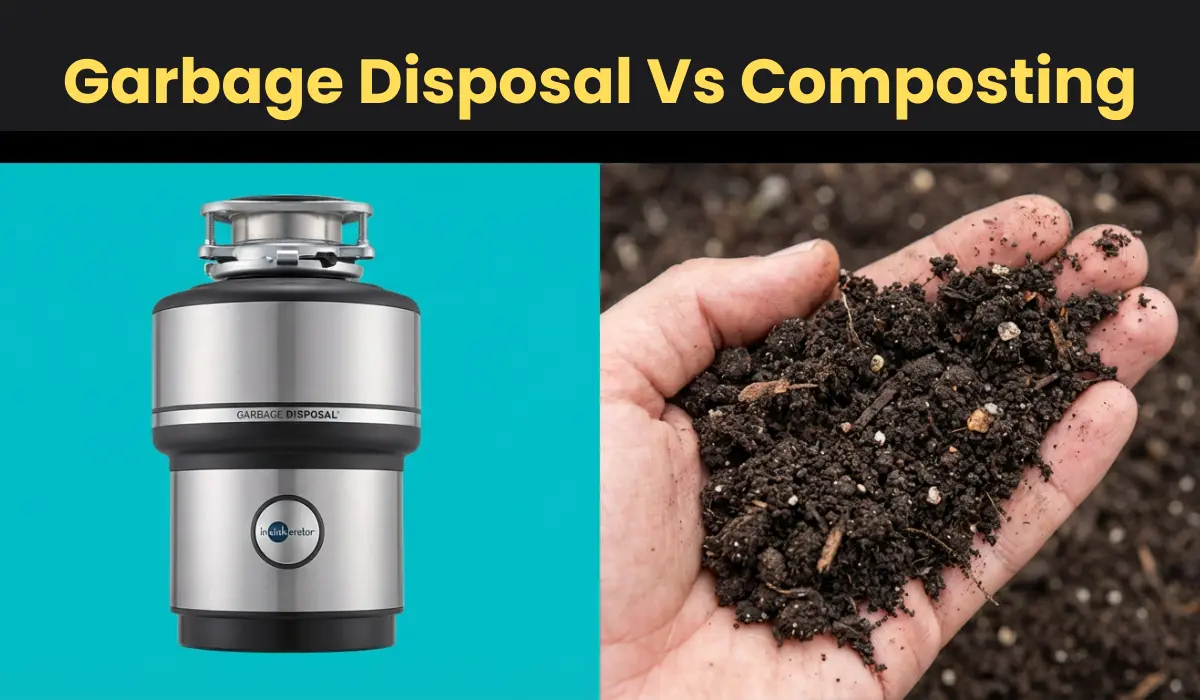
Garbage Disposal vs Composting: Which Is Better for Kitchen Waste?
A garbage disposal grinds food scraps and flushes them into the sewer system. Composting breaks food scraps down biologically into soil. Both keep organic waste out of the trash can. Neither is universally better. The right choice depends on what kind of scraps your kitchen produces, whether you have outdoor space, and how much effort you want to invest.
The answer most people land on after actually trying both: use them together. Compost what you can. Grind what you cannot. But understanding why each method works better for certain waste types makes that combination far more effective.
What Happens to Food Waste in Each System
In a garbage disposal
Ground food enters the municipal sewer system and travels to the local wastewater treatment plant. At the plant, solids are separated from the water, treated biologically, and either landfilled as biosolids or, in more modern facilities, converted into biogas for energy production. The environmental outcome depends heavily on how advanced your local treatment plant is. A plant with biogas capture turns your food waste into energy. A plant without it landfills the solids.
In a compost pile
Microorganisms break down organic material aerobically (with oxygen) into humus, a nutrient-rich soil amendment. Properly managed compost produces no methane because the decomposition happens in the presence of oxygen. The output is genuinely useful: garden fertilizer that improves soil structure, moisture retention, and nutrient content.
In the trash can
Food sits in a sealed plastic bag, gets trucked to a landfill, and decomposes anaerobically (without oxygen). Anaerobic decomposition produces methane, a greenhouse gas roughly 25 times more potent than carbon dioxide over a 100-year period. The EPA estimates that food waste is the single largest category of material sent to US landfills. From a purely environmental standpoint, the trash can is the worst option for food scraps by a significant margin.
Garbage Disposal vs Compost: What Each Handles Best
This is where the practical difference matters most. The two systems accept different waste streams with almost no overlap at the edges.
| Waste Type | Garbage Disposal | Compost | Trash |
|---|---|---|---|
| Fruit and vegetable scraps | Yes | Yes | Works but produces methane |
| Coffee grounds | Yes | Yes (excellent nitrogen source) | Works but wasteful |
| Eggshells | Yes | Yes (calcium source) | Works |
| Cooked meat and fish | Yes | No (attracts rats and pests) | Yes |
| Bones (chicken, small) | Yes (3/4 HP+) | No | Yes |
| Dairy products | Yes | No (attracts pests, disrupts pile) | Yes |
| Grease and cooking oil | No (clogs pipes) | No (suffocates microbes) | Yes (cooled, in sealed container) |
| Yard waste, leaves | No | Yes (excellent carbon source) | Yes |
| Bread and grains | Small amounts | Yes | Yes |
Composting wins on plant-based waste. A garbage disposal wins on animal-based waste. Neither handles grease well. And anything that could go in the trash produces methane in the landfill that both alternatives avoid.
The Real Environmental Comparison
Composting is the more environmentally beneficial option when done correctly. Zero methane, no water usage, no energy consumption, and the output actively improves soil rather than entering the waste stream. A Journal of Cleaner Production study found that garbage disposals contribute roughly 2.1% of nutrient overload in waterways through the treatment process. Composting contributes none.
But composting has practical limits. It cannot handle meat, dairy, bones, or grease. It requires outdoor space in most cases. It demands regular maintenance: turning, balancing carbon and nitrogen ratios, and monitoring moisture. Neglected compost piles go anaerobic and produce the same methane they were supposed to avoid.
Garbage disposals are less environmentally ideal but handle a wider range of food waste with zero effort. In cities with modern wastewater treatment plants that capture biogas, the environmental gap narrows considerably. In cities with older treatment infrastructure, the gap widens.
The trash can is the worst option for any food waste that could go through either a disposal or a compost pile.
Cost Comparison Over 5 Years
| Factor | Garbage Disposal | Composting | Trash Only |
|---|---|---|---|
| Upfront cost | $100 to $300 (unit + install) | $0 to $150 (bin or tumbler) | $0 |
| Annual operating cost | $5 to $15 (water + electricity) | $0 | Included in waste hauling |
| Maintenance | Occasional cleaning | Weekly turning, balancing | None |
| 5-year total | $125 to $375 | $0 to $150 | $0 (but higher waste volume) |
| Produces usable output | No | Yes (fertilizer) | No |
| Effort level | Flip a switch | Active ongoing work | Bag and carry |
The disposal costs more over time but requires essentially zero effort. Composting costs almost nothing but demands consistent attention. For households that garden, the free fertilizer from composting offsets the effort with a tangible return.
When a Garbage Disposal Makes More Sense

You live in an apartment or condo with no yard and no space for an outdoor bin. Your food waste includes meat, bones, dairy, and cooked scraps that compost piles cannot accept. You want the lowest-effort approach to keeping food out of the trash. Your local treatment plant has modern infrastructure with biogas recovery.
When Composting Makes More Sense

You have a garden and want free, nutrient-rich soil amendment. Most of your food waste is plant-based: fruit, vegetables, coffee grounds, yard trimmings. You want the genuinely most environmentally positive option. Your municipality charges high water and sewer rates that a disposal would add to.
The Best Approach: Use Both
Most households produce both plant-based and animal-based food waste. Using one method for everything means either composting struggles with meat and dairy or the disposal handles scraps that would produce better results in a compost pile.
The combination: compost fruit peels, vegetable scraps, coffee grounds, eggshells, and yard waste. Run meat trimmings, bones, dairy, cooked food, and anything pest-attracting through the disposal. Trash only what neither system can handle: grease, large bones, and non-food items.
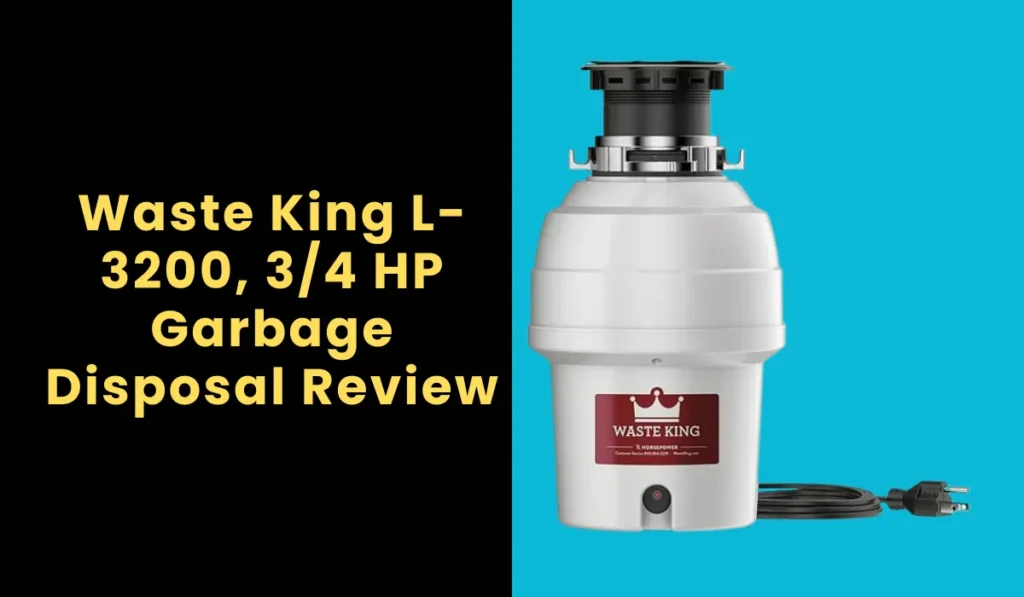
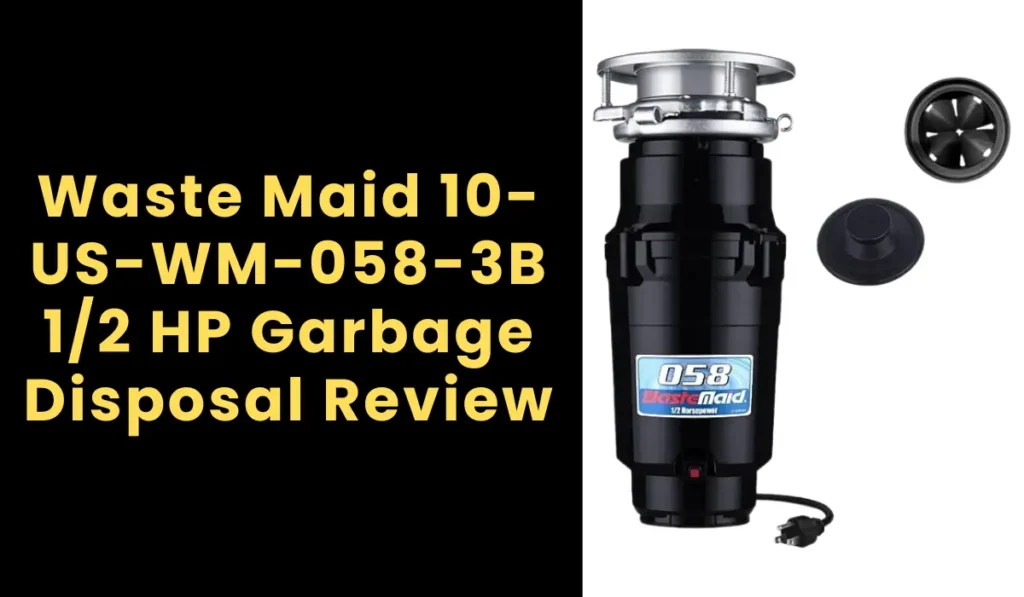
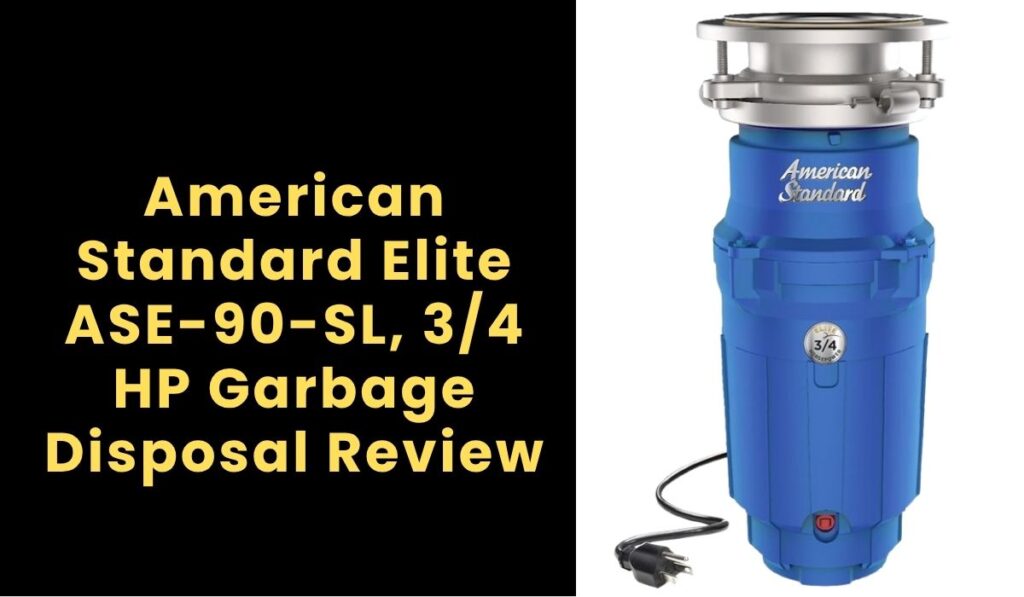
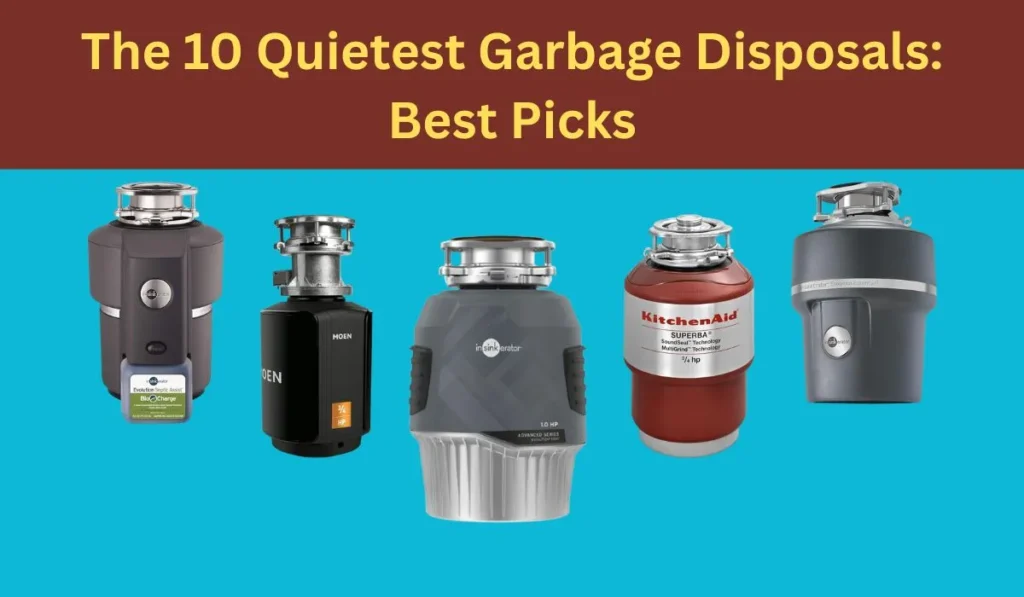
This combination minimizes landfill waste, produces garden fertilizer, reduces sewer load, and keeps your kitchen cleanup fast. For choosing the right disposal for this setup, a mid-range 3/4 HP model handles the meat and bone scraps the compost pile rejects without overcomplicating the kitchen. Our buying guide covers current options.
FAQ’s
The Author

Muhammad Nabeel Dar is the founder of GarbageWasteDisposal.com, where he researches and evaluates garbage disposals, kitchen sinks, dishwashers, and kitchen drain systems to help homeowners make confident buying decisions.
After analyzing 30+ garbage disposal models, multiple sink configurations, and a wide range of drain system components across brands like InSinkErator, Waste King, Moen, GE, Frigidaire, and KRAUS, he focuses on what actually matters: real-world performance, build quality, noise levels, installation ease, durability, and overall value.