How to Keep Pests Out of Your Garbage Disposal
Flip the disposal on one morning and notice a cloud of tiny flies rising out of the drain. That is not a coincidence. Something is rotting inside the chamber, and insects found it before you did.
Garbage disposals attract pests for one reason: decomposing food. Not the scraps you grind and flush. The residue that stays behind. Bits of food clinging to the grind ring. A film of grease coating the chamber walls. And the part nobody ever thinks about until they actually look at it — the underside of the rubber splash guard, which collects a layer of black bacterial slime that fruit flies treat as a breeding ground.
Fix the residue problem and the pest problem goes away. Ignore it and the bugs keep coming back no matter how many you swat.
What Kind of Bugs Are You Seeing?
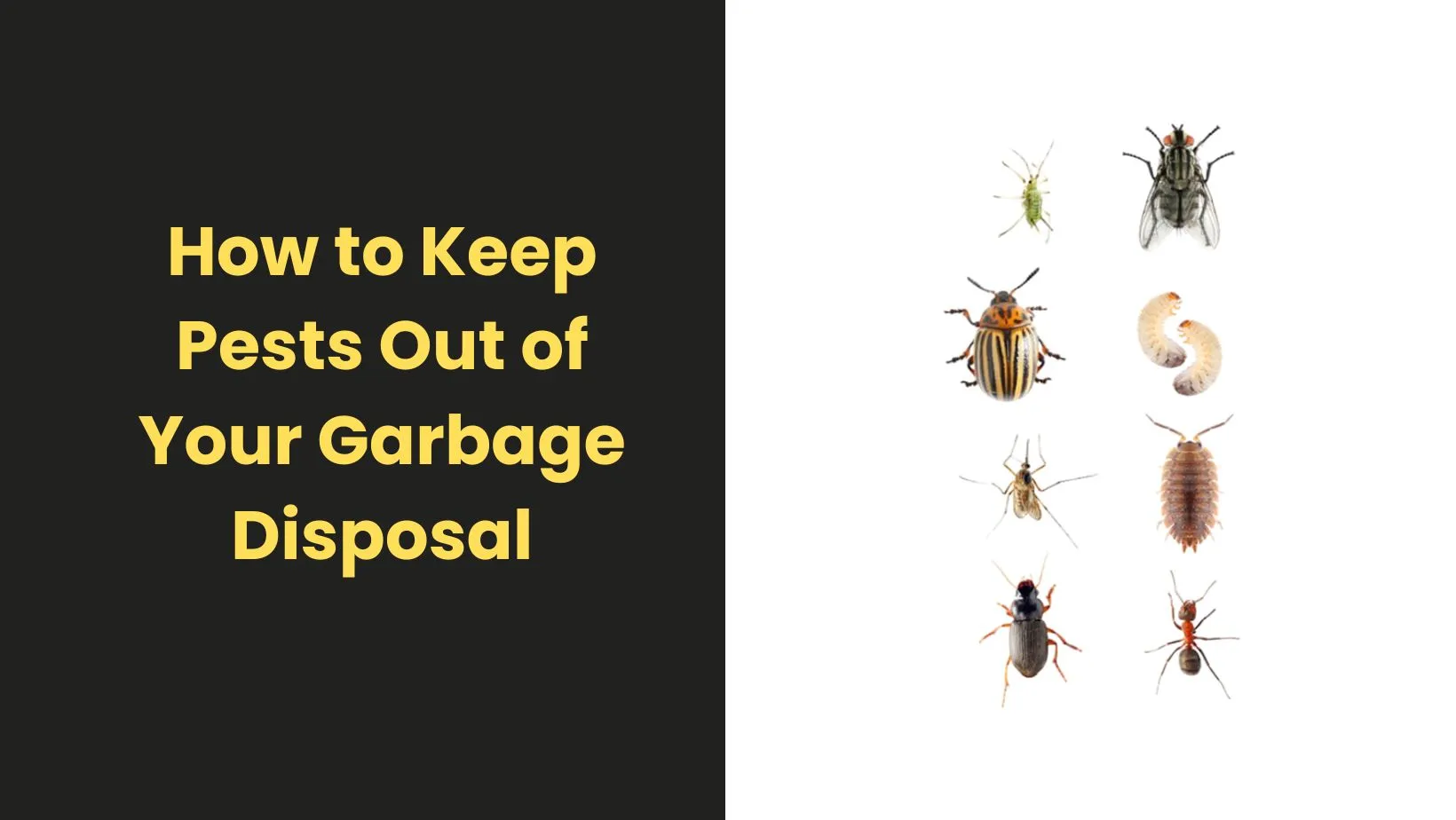
Not every pest arrives the same way, so the fix depends on what is showing up.
Those tiny tan flies hovering around the drain opening? Fruit flies. They breed in moist organic matter and can lay hundreds of eggs at a time. A single patch of food residue inside the disposal that you missed is enough to start a visible swarm within days.
Small moth-looking insects sitting on the wall near the sink are drain flies. Fuzzy wings, slow fliers, usually show up in clusters. These breed specifically in the organic film that coats the inside of drain pipes and disposal chambers over time. More stubborn than fruit flies because their larvae attach deeper into the pipe walls.
Roaches are a different situation entirely. They do not breed inside the disposal. They come up through the drain line, usually because the P-trap under the sink dried out. A P-trap with water in it seals the pipe. Let that water evaporate and there is an open path from the sewer system straight to your kitchen.
Ants follow sugar and moisture. A disposal with fruit juice residue or sticky particles inside the chamber attracts scout ants, and once one finds the trail the rest follow within hours
Steps to Remove Pests from a Garbage Disposal
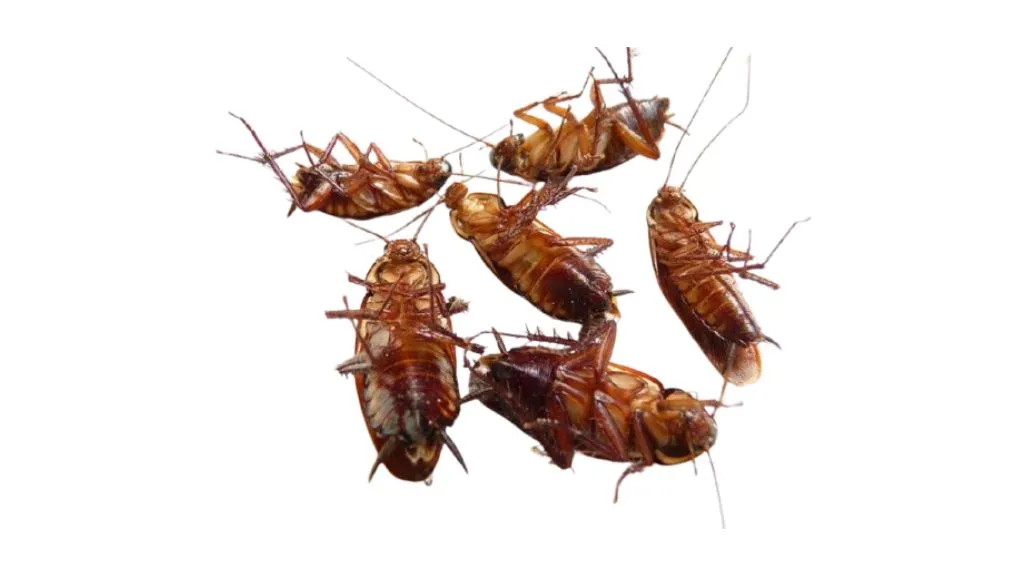
Already dealing with an active infestation? Work through these steps in order. Each one builds on the previous.
Step 1: Flush the chamber
Run cold water, turn the disposal on, and let it run for a solid 20 seconds after the grinding finishes. Cold water specifically. It solidifies grease so the water can push it through the drain instead of letting it coat the pipe walls. See hot vs. cold water for garbage disposals for more detail.
Most people shut the water off too early and leave pulverized food sitting inside the chamber. That leftover residue is exactly what the bugs are feeding on.
Step 2: Scrub the splash guard
Pull the rubber baffle up and look at the underside. If your disposal has been running for more than a few weeks without this step, you are going to find dark slime. Scrub it with an old toothbrush and dish soap. Get into every fold and ridge. This single step removes the primary surface where fruit flies and drain flies lay eggs. If the buildup is thick, soak the guard in warm water with a spoonful of baking soda for ten minutes before scrubbing.
Step 3: Deodorize with baking soda and vinegar
Pour half a cup of baking soda into the disposal. Follow it with a cup of white vinegar. Let the fizz work for about 10 minutes without running any water. The chemical reaction loosens grime in places you cannot reach with a brush, particularly the underside of the grind ring and the top of the drain pipe. Flush with hot water when the fizzing stops. Odor gone, breeding material gone.
Step 4: Scour with ice and citrus peels
Drop a cup of ice cubes and a few lemon or orange peels into the disposal. Run cold water and turn it on. The ice shatters against the grinding surfaces and physically knocks loose the food film that water alone misses. The citrus peels leave behind oils that naturally repel fruit flies and ants. Cheap, fast, and surprisingly effective as a weekly habit.
For a complete cleaning walkthrough, see how to clean a garbage disposal.
Step 5: Set a vinegar trap for the stragglers
Cleaning kills the breeding cycle, but adult flies already in the kitchen take a few days to die off. Speed that up. Pour an inch of apple cider vinegar into a small glass. Add one single drop of dish soap. The vinegar pulls them in. The soap breaks the surface tension so they sink instead of sitting on top. Cover the glass loosely with plastic wrap, poke a few small holes with a fork, and leave it next to the sink overnight. Replace the vinegar every two to three days until no new flies appear.
Step 6: Block the entry and dry the area
Once the cleaning is done, cover the drain opening at night with a rubber stopper or mesh screen. Roaches and drain flies enter through open drains after dark, and a physical barrier stops them. Wipe the sink and surrounding countertop dry before bed. Standing moisture on surfaces around the drain is an attractant you can eliminate in 30 seconds with a towel.
Keeping the Disposal Clean So They Do Not Come Back
The six steps above clear an active problem. Preventing the next one is about three habits that take almost no time.
Run cold water for 15 to 20 seconds after every use. Not during. After. That flush is what pushes food particles past the P-trap and out of the pest-accessible zone.
Grind ice and rock salt once a week. A cup of ice cubes, half a cup of coarse salt. The abrasive action scrubs surfaces the water never reaches.
Scrub the splash guard every two weeks. Five minutes with a toothbrush and soap. That single routine eliminates the breeding surface that fruit flies and drain flies need.
And once a month, run the baking soda and vinegar flush to clear buildup deeper in the drain line.
Skip the bleach. People reach for it instinctively, but bleach corrodes the metal grinding components over time and degrades the rubber splash guard. Baking soda and vinegar do the same cleaning job without eating into your disposal.
FAQ’s
The Author

Muhammad Nabeel Dar is the founder of GarbageWasteDisposal.com, where he researches and evaluates garbage disposals, kitchen sinks, dishwashers, and kitchen drain systems to help homeowners make confident buying decisions.
After analyzing 30+ garbage disposal models, multiple sink configurations, and a wide range of drain system components across brands like InSinkErator, Waste King, Moen, GE, Frigidaire, and KRAUS, he focuses on what actually matters: real-world performance, build quality, noise levels, installation ease, durability, and overall value.