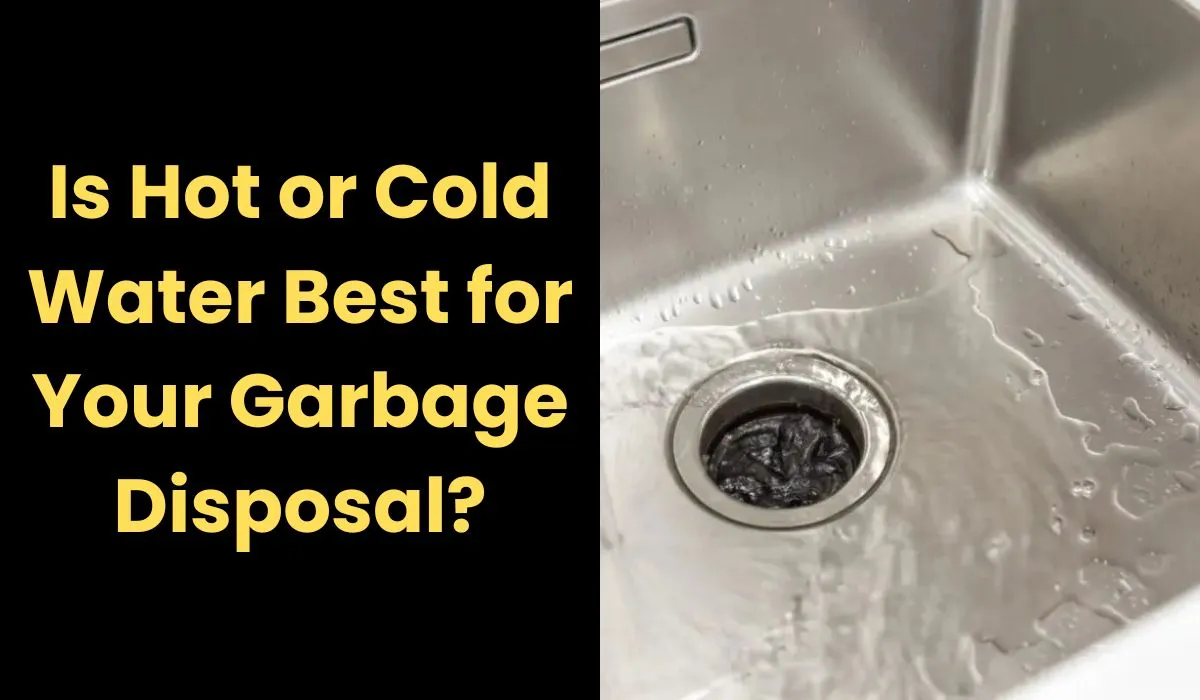
Is Hot or Cold Water Best for Your Garbage Disposal? Find Out
The hot or cold water for garbage disposal question has a simple answer that most people get backwards. Hot water feels like it should help. It loosens things up in every other cleaning situation, so running it while the disposal grinds seems logical.
It is not. Cold water is what you should run while the disposal is grinding. Hot water comes after, and only for rinsing. Getting this wrong does not break the disposal overnight. But it gradually coats your drain pipes with grease that solidifies out of reach, and one morning the sink stops draining and you are staring at a plumbing bill that started with a bad water temperature habit.
Why use Cold Water During garbage disposal Grinding
Fats, oils, and grease exist in some amount in almost everything you put through a disposal. Meat trimmings obviously. But also butter residue on a pan, salad dressing on a plate, cooking oil on vegetable scraps. Even small amounts add up over weeks of daily use.
Cold water keeps those fats solid while they pass through the grinding chamber. Solid grease gets chopped into small particles by the impellers just like any other food scrap, and those particles flush through the drain line with the water flow. They are small enough and solid enough to travel through the P-trap and into the main drain without sticking to pipe walls.
Hot water melts grease into liquid. Liquid grease flows freely past the disposal and into the drain pipe. Feels like progress. Except the pipe is cold. Twenty inches past the disposal, that liquid grease hits cool pipe surfaces, re-solidifies, and coats the inside of the line. Run hot water with greasy scraps for a few months and you are building a narrowing layer of hardened fat inside the drain that cold water flushes would have prevented entirely.
This is not a theory. Plumbers who clear kitchen drain clogs report that grease buildup is the single most common cause, and it almost always starts within the first few feet of pipe below the disposal.
Running No Water Is Worse Than Either Temperature
Some people run the disposal dry or with a faint trickle. That is more damaging than using the wrong temperature.
The disposal needs water to move ground particles out of the chamber and into the drain. Without adequate flow, food paste accumulates on the grinding surfaces, hardens between uses, and eventually causes jams. The motor also generates heat during operation, and water is what keeps the temperature manageable. A disposal running dry overheats faster and wears out the motor bearings sooner than one running with any temperature of water at all.
A full steady stream is what the disposal needs. Not a trickle, not a blast. Enough flow that the water covers the drain opening and carries particles through continuously.
The Post-Grind Flush That Most People Skip
Turn off the disposal and immediately shut the water off. That is what most people do. It leaves ground food particles sitting in the chamber, in the discharge pipe, and in the top of the P-trap.
Run cold water for 15 to 20 seconds after the grinding stops. That flush is what pushes the last of the ground material past the P-trap and into the main drain line where it can no longer decompose and cause odor. Skipping this step is the number one cause of disposal smell problems that cleaning alone does not fix.
When using Hot Water Is the Right Choice
After grinding is finished and the cold water flush is done, hot water is fine and even helpful.
A 30 to 60 second hot water rinse after the cold flush dissolves soap residue and light grease film from the chamber walls. It also pushes warm water through the drain line, which softens any minor accumulation and carries it further downstream. This works because the heavy food grinding is already finished and the solid grease particles have already been flushed through. There is nothing left for the hot water to liquefy and spread.
During a deep clean, hot soapy water is ideal. Plug the sink drain, fill the basin with hot water and a squirt of degreasing dish soap, pull the plug, and run the disposal as the water drains through. The volume and heat of a full basin flush loosens buildup from surfaces that daily cold water use does not reach. For the full cleaning process, that method is one of the most effective maintenance steps available.
Specific Foods Where Temperature Matters Most
Not every food scrap cares about water temperature. Vegetable peels, fruit scraps, and cooked grains grind fine in either temperature. The cold water rule matters most with these:
Meat trimmings and fat. Even small pieces carry enough grease to coat a pipe over time. Cold water is critical here.
Butter or margarine residue. Melts instantly in hot water and coats everything it touches downstream.
Cooking oil on scraps. A plate wiped into the disposal after stir-fry carries more oil than people realize. Cold water keeps it contained.
Dairy residue. Cream, cheese, yogurt. All contain milk fats that behave exactly like cooking grease in warm pipes.
Plant-based scraps with no fat content (lettuce, apple cores, carrot peels) are genuinely indifferent to water temperature. Cold water is still the better default because you never know what residue is on the next plate scraped into the disposal.
Daily Routine Before Using Your Disposal
Cold water on before the disposal starts. Feed scraps gradually, not all at once. Keep cold water running for 15 to 20 seconds after the grinding stops. Optionally switch to hot water for a short rinse after the cold flush is complete.
Under a minute. Prevents grease clogs, protects the motor, keeps the drain line clear, and eliminates most odor problems before they start.
FAQ’s
The Author

Muhammad Nabeel Dar is the founder of GarbageWasteDisposal.com, where he researches and evaluates garbage disposals, kitchen sinks, dishwashers, and kitchen drain systems to help homeowners make confident buying decisions.
After analyzing 30+ garbage disposal models, multiple sink configurations, and a wide range of drain system components across brands like InSinkErator, Waste King, Moen, GE, Frigidaire, and KRAUS, he focuses on what actually matters: real-world performance, build quality, noise levels, installation ease, durability, and overall value.