
Can You Put Lettuce & Cabbage Down A Garbage Disposal?
A few lettuce leaves left on a plate after dinner? Those go through the disposal without any trouble. Half a head of romaine from a fridge cleanout? That is where the problems start.
Lettuce and cabbage behave very differently inside a garbage disposal, and neither one acts like the hard, brittle foods the disposal was actually designed to grind. Understanding how leafy greens interact with the grinding mechanism saves you from a jammed motor and a backed-up drain.
What Happens to Leafy Greens Inside a Disposal
A garbage disposal does not chop food with blades. It flings food outward using spinning impellers against a stationary grind ring. Hard foods like chicken bones or fruit pits shatter on impact. That is what the mechanism does best.
Leafy greens do not shatter. They bend. Soft, wet leaves wrap around the impellers instead of breaking apart against the ring. A single lettuce leaf wraps, gets pulled by the next rotation, and wraps again. Feed enough leaves in quickly and you build a tangled ball of green fiber around the impeller arms that the motor has to fight through. Eventually the flywheel slows, the motor strains, and if you keep pushing more in, the disposal jams and starts humming.
That wrapping behavior gets worse as the greens get tougher. Butterhead lettuce barely causes issues. Romaine is moderate. Cabbage, kale, and collard greens have fibrous leaf structures that tangle significantly more than any soft lettuce variety.
Lettuce: Safe in Small Amounts
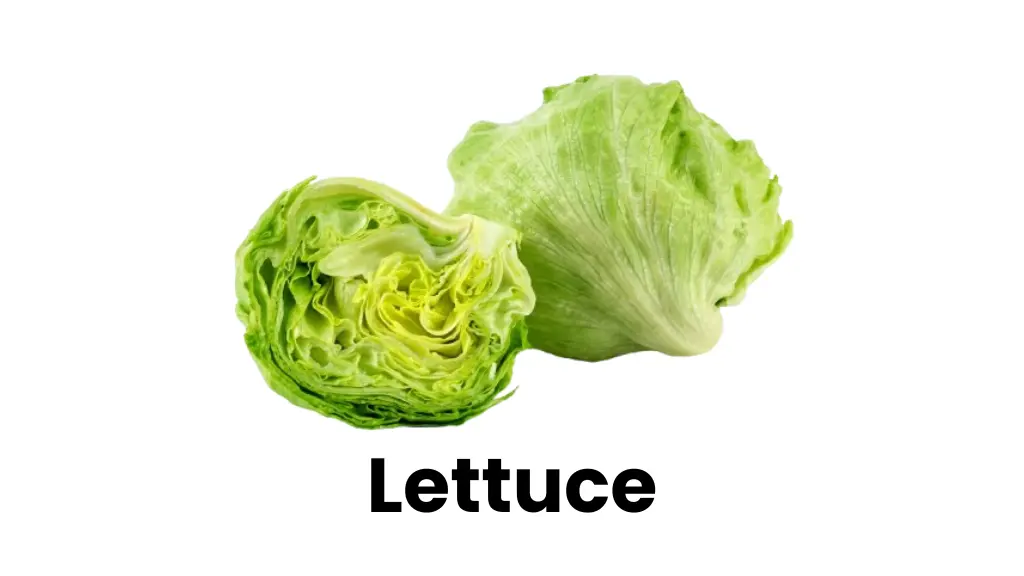
A fPlate scraps from a salad, a few wilted leaves, the outer leaf you peeled off before slicing. Those quantities go through fine with cold water running. The disposal processes them without strain and flushes the particles through.
Where it goes wrong: dumping a full head of lettuce or a large bowl of salad scraps into the disposal all at once. The volume overwhelms the chamber. Wet leaves pile on top of each other faster than the impellers can process them. Partially ground leaves clump together in the discharge pipe and form a soft plug that restricts drainage.
The rule is simple. If the lettuce fits on one dinner plate, run it through with cold water. If you are clearing out the vegetable drawer, put the bulk in the trash or compost. Your disposal handles cleanup scraps well. It was never built to process a full salad’s worth of greens in one batch.
Cabbage: More Problematic Than Most People Expect
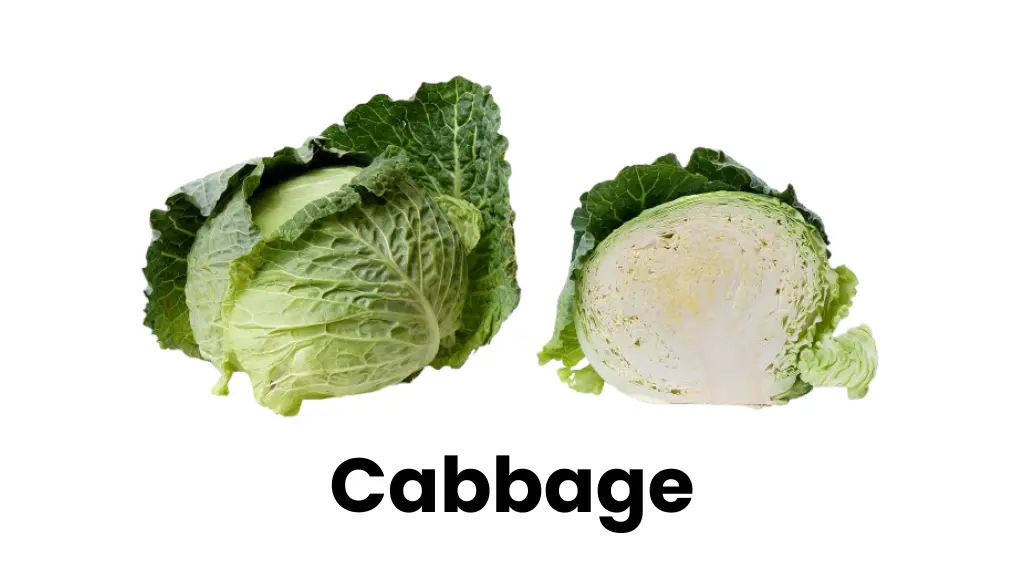
Cabbage is more problematic than lettuce because of its fibrous, stringy texture. Cabbage is denser and more fibrous than lettuce. The leaves are thicker, the stems are tougher, and the fiber structure is stringier. Those long fibers do not grind down. They survive the impeller contact, stretch, and wrap.
When cabbage fibers tangle around the impellers, they form a mesh that traps other food particles passing through. That mesh grows with each piece of cabbage you feed in. The disposal sounds like it is working, but what is actually happening inside is a progressively tightening knot of fiber around the moving parts. Grinding slows. The motor pulls harder. And if you keep feeding more in, the impellers lock and the thermal overload trips.
This applies to the entire brassica family. Cabbage, kale, Brussels sprouts, and collard greens all share the same tough, stringy fiber structure that disposals struggle with. The tougher the stem, the worse the tangling.
Can you put cabbage in the garbage disposal at all? Small amounts of shredded cabbage, like the scraps left on a cutting board after making coleslaw, go through if you feed them slowly with plenty of cold water. A full outer leaf or a chunk of cabbage core should go in the trash.
Other Leafy Greens: Quick Reference
Spinach is soft and thin. Small amounts go through easily. Large batches of wilted spinach compress into a dense mass that clogs the discharge pipe. Keep it to plate scraps.
Kale behaves like cabbage. Tough stems and fibrous leaves wrap around impellers aggressively. Remove the stems entirely before putting any kale through the disposal. Torn leaf pieces in small amounts are manageable. Whole leaves are not.
Swiss chard has thick stems with the same wrapping problem as kale. The leaf portion is softer and handles better. Strip the stems and compost them. The leaf goes through in small quantities.
Celery is one of the worst offenders in any disposal. The long stringy fibers do not break down and wrap tighter than cabbage. Keep celery out of the disposal entirely.
For the full list of foods that should never go in, our guide on what not to put in a garbage disposal covers every category.
What to Do When Greens Clog the Disposal
If the disposal jams on leafy greens, turn it off immediately. Do not keep flipping the switch hoping it clears itself. A jammed motor pulling against wrapped fiber overheats quickly.
On models with a bottom hex socket (most InSinkErator units), insert a 1/4 inch hex wrench and work it back and forth. The wrapping usually releases within a few rotations.
On models without a hex socket (many Waste King units), use a wooden handle through the drain opening to push the impeller past the tangle.
After freeing the flywheel, reach in with tongs or needle-nose pliers and pull out as much of the tangled fiber as you can. Do not use your hand. Press the reset button on the bottom of the disposal, restore power, run cold water, and test.
If greens have clogged the drain line rather than the disposal itself, the sink will drain slowly or not at all even with the disposal running. That means the partially ground leaves formed a plug in the discharge pipe or P-trap. Disconnecting and clearing the P-trap is usually the fix.
The Better Option for Bulk Leafy Waste
Composting is genuinely the better destination for large amounts of lettuce, cabbage, kale, and other leafy greens. They break down quickly in a compost pile and add nitrogen that accelerates the composting process.
If composting is not practical, bag the greens and put them in the regular trash. Running a full fridge cleanout of vegetables through the disposal just to avoid the trash can is a false economy. The clog, the jam, or the plumbing visit costs far more than walking the scraps to the bin.
FAQ’s
The Author

Muhammad Nabeel Dar is the founder of GarbageWasteDisposal.com, where he researches and evaluates garbage disposals, kitchen sinks, dishwashers, and kitchen drain systems to help homeowners make confident buying decisions.
After analyzing 30+ garbage disposal models, multiple sink configurations, and a wide range of drain system components across brands like InSinkErator, Waste King, Moen, GE, Frigidaire, and KRAUS, he focuses on what actually matters: real-world performance, build quality, noise levels, installation ease, durability, and overall value.