Corded vs. Non-Corded Garbage Disposal: Choosing the Best for Your Kitchen
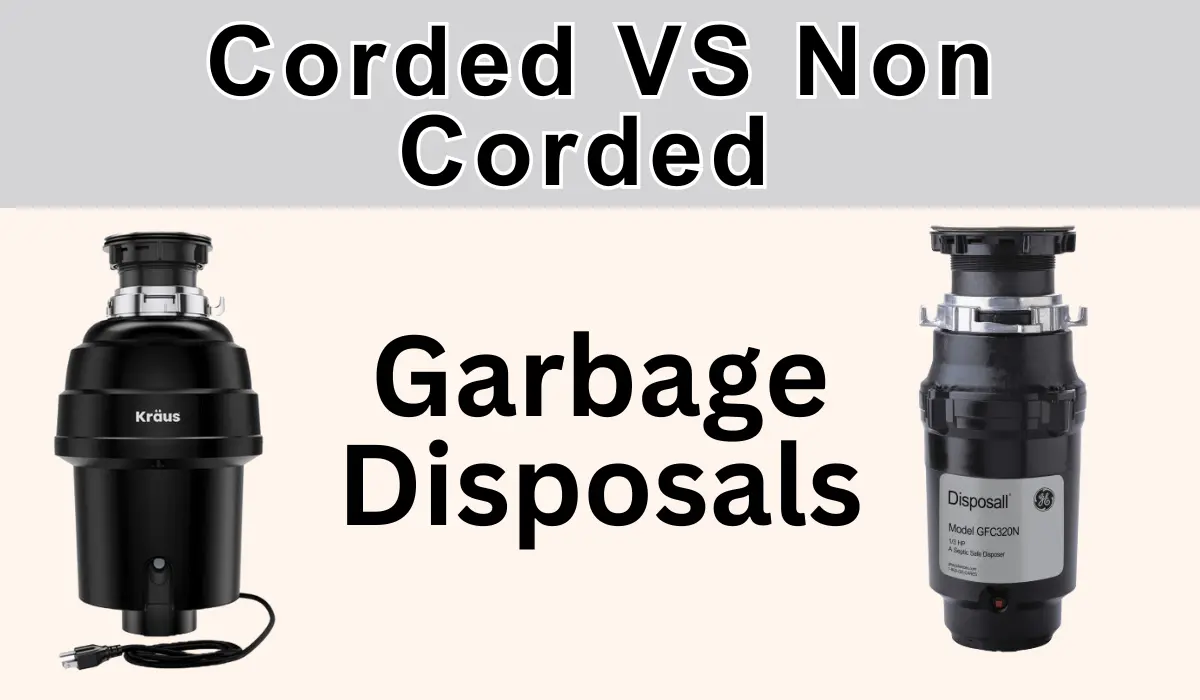
When it comes to corded vs non-corded garbage disposal, most consumers get puzzled at the point of purchase. Some garbage disposals come with a power cord. Other garbage disposals do not come with a power cord and must be hardwired into your home’s power source.
Purchasing the wrong garbage disposal can lead to higher installation costs, electrical problems, or delays in your kitchen renovation project.
At Garbage Waste Disposal, we have noticed that many consumers end up buying the wrong garbage disposal simply because they are not aware of the types of garbage disposal power connections. This article will help you understand all the differences so that you can make the right decision.
What Is a Garbage Disposal Unit?
A garbage disposal unit, or waste disposal unit, is a home kitchen appliance that is installed under your kitchen sink. The purpose of a garbage disposal unit is simple: to grind food scraps into very small pieces so that they can easily pass through your plumbing system.
Rather than putting food scraps into your trash can where they will end up in the landfill waste, a garbage disposal unit can help reduce kitchen waste, prevent clogged drains, and eliminate unpleasant odors. It becomes an essential component of a modern kitchen waste management system.
There are two different ways of feeding a garbage disposal unit. A continuous feed garbage disposal unit operates when it is turned on and allows you to feed it food scraps while it is running. A batch feed garbage disposal unit operates only when a stopper is placed in the drain, providing an additional safety feature for families with children.
For a detailed explanation of how garbage disposals function, types, and motor power, please take a look at our complete guide to garbage disposals.
What Is a Corded Garbage Disposal?
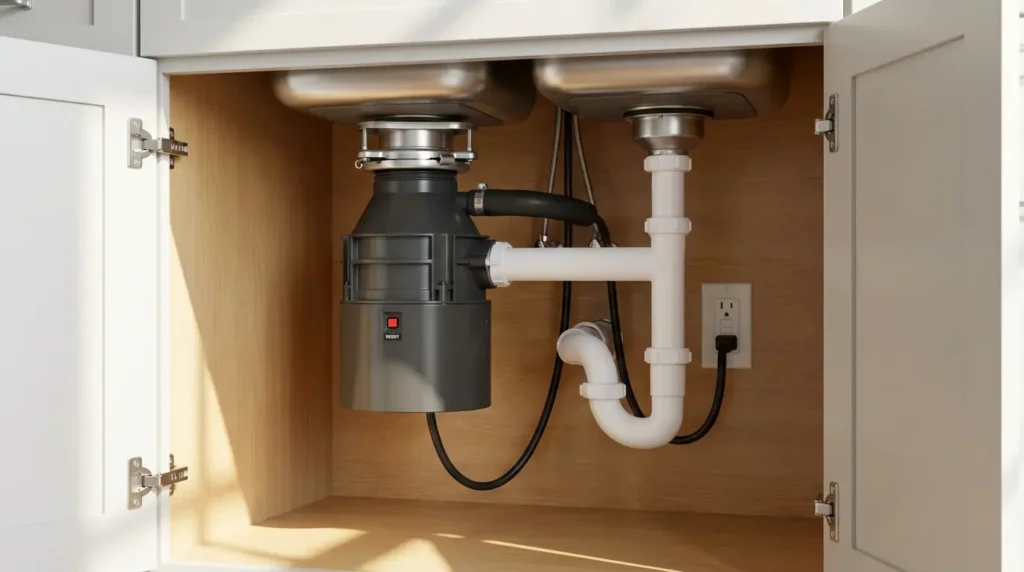
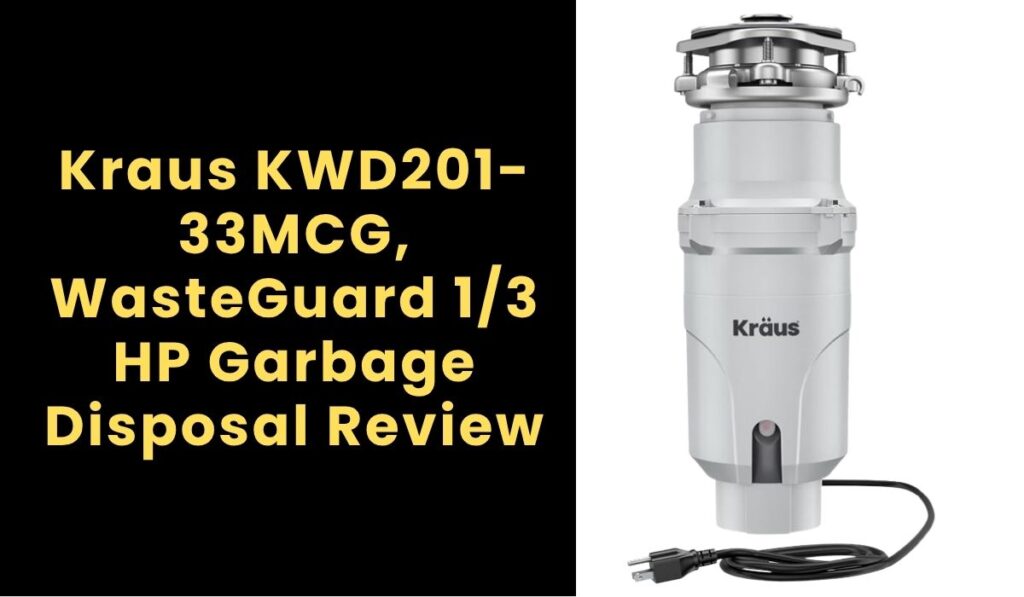
A corded garbage disposal is a type of garbage disposal unit that comes with a power cord factory-installed. It does not connect to your home’s wiring but instead plugs directly into an electrical outlet that is usually found under your kitchen sink. Because of this, it is also commonly known as a plug-in disposal. Corded garbage disposals are very popular in households where an outlet is already installed under the kitchen sink, making it much easier to install.
This particular disposal installation is easier and faster, especially for homeowners who are DIY enthusiasts. The power cord that comes with it eliminates the need for complicated disposal wiring, and most corded garbage disposals can be used with an air switch for safety features. They are also ideal for homeowners who want to replace their old disposal unit since they can simply be unplugged and replaced without having to worry about complicated electrical connections.
Examples of Corded Garbage Disposals
Moen GXS75C, 3/4 HP Garbage Disposal
Waste King L-8000, 1 HP Garbage Disposal
Pros and cons of corded garbage disposals
Pros
Cons
What Is a Non-Corded Garbage Disposal?
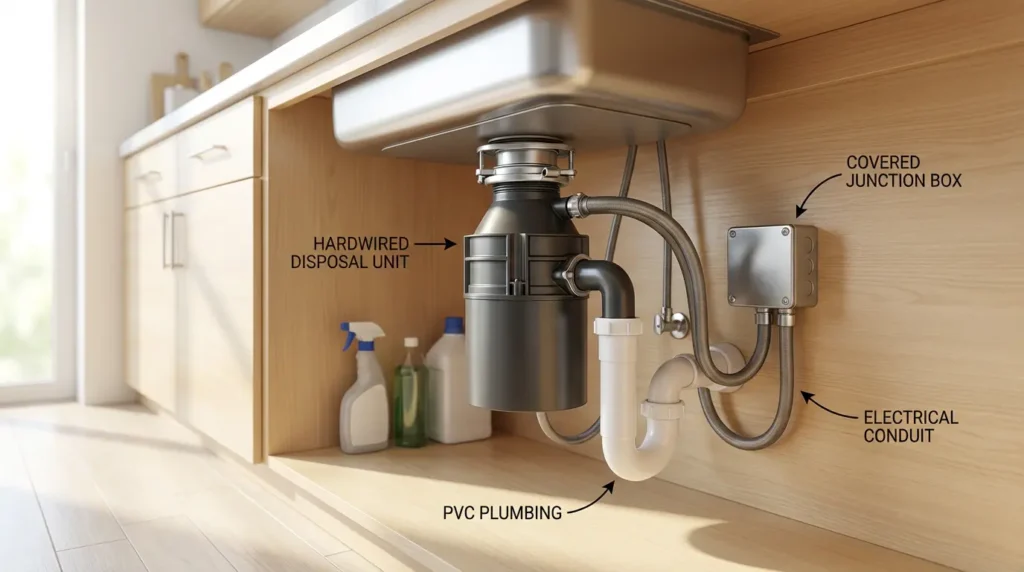
A non-corded garbage disposal is a type of garbage disposal unit that does not come with a power cord. It does not plug into an electrical outlet but instead connects directly to your home’s wiring through a direct wire disposal installation. This particular type of garbage disposal unit is commonly known as a hardwired disposal, direct wire disposal, or simply a garbage disposal without a power cord.
It is worth noting that a non-corded garbage disposal is not wireless, battery-powered, or portable. It is still powered by electricity, but with a different type of power connection. Since it has to be connected to the main power supply and grounded, most non-corded garbage disposals need to be installed by a professional electrician to ensure that the electrical setup of the garbage disposal is safe and code-compliant.
Examples of Non Corded Garbage Disposals
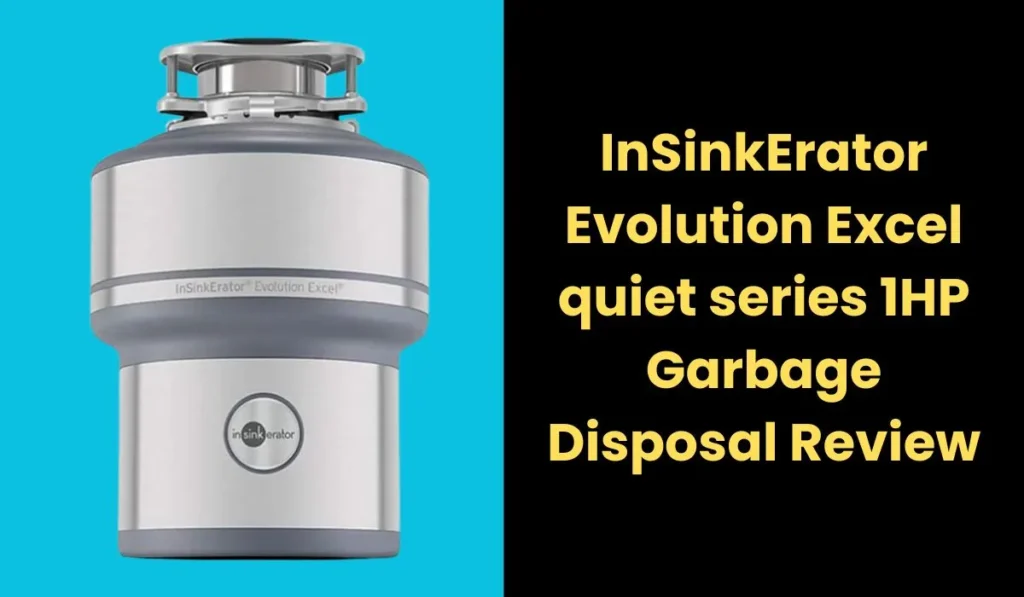
InSinkErator, Evolution Excel 1 HP Garbage Disposal
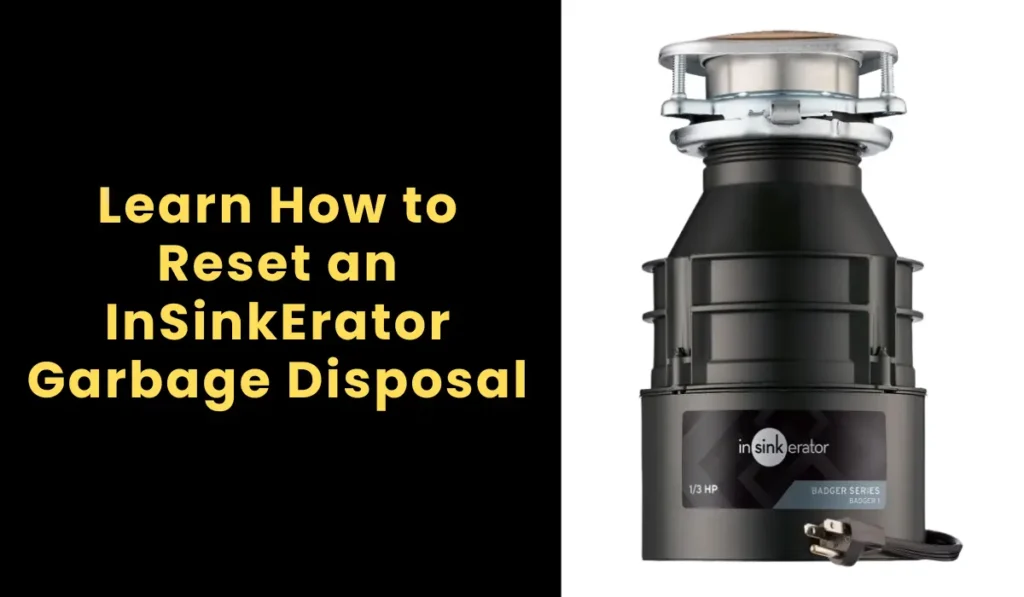
InSinkErator Badger 5, 1/2 HP Garbage Disposal
Pros and cons of Non-corded garbage disposals
Pros
Cons
Corded vs Non Corded Garbage Diposals Comparison Table
| Feature | Corded Disposal | Non-Corded Disposal |
|---|---|---|
| Power Setup | Plug into electrical outlet | Direct wire to power supply |
| Installation | DIY friendly | Electrician recommended |
| Upfront Cost | Higher (includes cord) | Lower (cord sold extra) |
| Installation Cost | Lower if outlet exists | Higher labor cost |
| Safety Risk | Lower for DIY | Higher if wired wrong |
| Replacement Ease | Easy unplug & replace | Requires rewiring |
| Best For | Quick DIY upgrades | New builds / Remodels |
Installation Differences: Plug-In vs Hardwired
The main difference between a corded garbage disposal and a non-corded garbage disposal lies in the garbage disposal electrical connection.
For a corded garbage disposal, the installation process is relatively simple if you have an electrical outlet under your kitchen sink. All you need to do is install the under-sink disposal unit, plug it into the outlet, connect it to your plumbing system, and test it.
For a non-corded garbage disposal, the installation process is a bit different. Since it is a hardwired disposal, the power to the disposal must be turned off at the breaker box before installing. The disposal unit’s wires must be directly connected to the main power source, and grounding is a must to avoid any electrical problems or shocks.
In most cases, this type of disposal installation requires the expertise of a licensed electrician. If your kitchen does not have an outlet, you will need to either install a new GFCI outlet or opt for a direct-wire disposal installation. Both options will increase the total installation cost.
Does Corded vs Non-Corded Affect Performance?
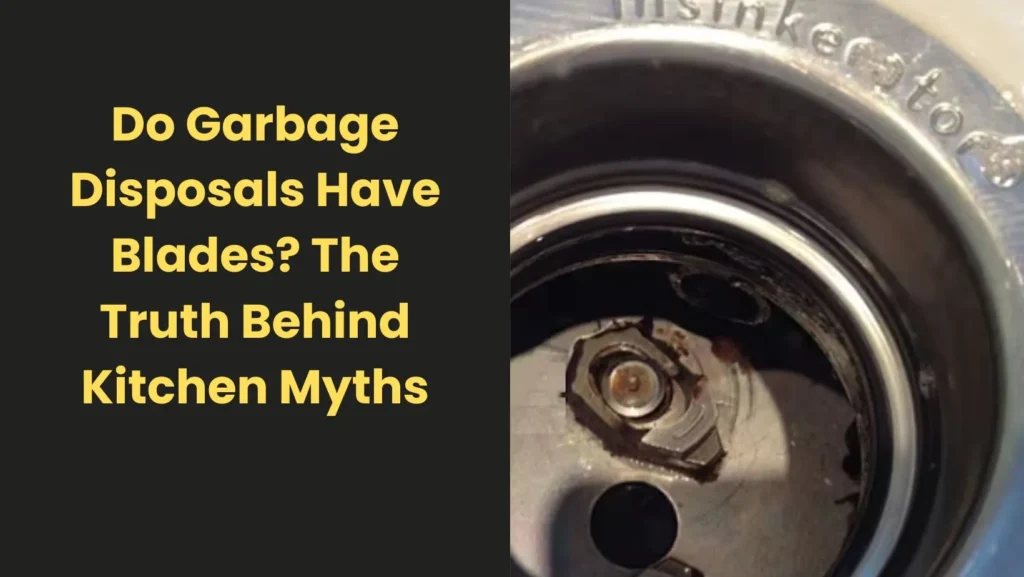
No, corded vs non corded garbage disposal does not affect performance. This is one of the most common myths among homeowners. The grinding power of the disposal depends on several factors such as the horsepower (1/2 HP, 3/4 HP, or 1 HP), the quality of the stainless steel grinding parts, the motor design, and other performance aspects of the disposal.
The type of motor power connection, whether it is plug-in or hardwired, does not affect the grinding power. As long as the horsepower and quality are the same, a corded garbage disposal and a non-corded garbage disposal will perform the same in disposing of food scraps and supporting your plumbing system.
Studies from the Environmental Protection Agency show that diverting food waste from landfills reduces methane emissions.
Using a kitchen waste management system like a disposal can:
- Lower landfill waste
- Help wastewater plants recover energy
- Support sustainable waste systems
Corded vs Non Corded Garbage Disposal Cost Comparison
In a corded vs non corded garbage disposal comparison, the cost difference is often confusing. The cord itself is not a significant factor in the overall price of the unit. The cost difference is in the installation.
Unit Price Difference
In a corded vs non corded garbage disposal comparison, the corded disposal will only be slightly more expensive than the non-corded disposal of the same model. This is because the corded disposal comes with a factory-installed power cord. The difference in price will be between $10 and $25.
For instance, a non-corded 1/2 HP disposal will cost between $110 and $140. The same model with a power cord will cost between $125 and $160. More expensive models (3/4 HP or 1 HP) will cost between $180 and $400, regardless of whether they are corded or hardwired.
Installation Cost Difference
This is where the cost difference can be substantial.
The cost of installing a corded garbage disposal will be relatively low if there is a GFCI electrical outlet under the kitchen sink. In this case, the cost of installation will be $0 if you install it yourself, or between $75 and $150 for basic assistance.
A non-corded garbage disposal will need to be installed by a professional, as it needs to be directly connected to the power source. This will incur an additional cost of $150 to $400, depending on the electrician’s rates and the work that needs to be done.
If a new outlet is required, that will be an additional $100-$200.
Which Option Is More Expensive Overall?
While non-corded garbage disposal may seem like a slightly cheaper option, they can end up costing an additional $150-$400 overall when the electrician costs are factored in.
Personal Preference & Brand Philosophy
At Garbage Waste Disposal, our brand philosophy is simple: practicality always triumphs.
In our comparison of corded vs non corded garbage disposal, we always look for options that make installation easier, reduce installation costs, and are less hazardous to electrical systems in the home. For this reason, our personal brand preference for garbage disposal tends to favor corded garbage disposal units for the average homeowner.
With a corded design, there is less tension on the wiring, fewer calls to the electrician, and less confusion during the disposal installation process.
Conclusion
The main difference between corded and non-corded garbage disposal lies in the wiring system, and not in grinding efficiency, performance, or longevity. Both corded and non-corded garbage disposal units will provide you with the same performance if they have the same horsepower and are made of the same material. It all depends on how you plan to connect the disposal to your household electrical system.
In most cases, a corded garbage disposal is easier to install and more suitable for DIY projects. A non-corded garbage disposal, on the other hand, is more aesthetically pleasing and preferred when doing a complete kitchen renovation, where electrical work is already in the plans.
Before you make a purchase, take a look under your kitchen sink. If you notice an electrical outlet, a corded garbage disposal will save you time and money. This one feature will help you make the right decision and avoid costly mistakes down the road.
FAQ‘s
The Author

Muhammad Nabeel Dar is the founder of GarbageWasteDisposal.com, where he researches and evaluates garbage disposals, kitchen sinks, dishwashers, and kitchen drain systems to help homeowners make confident buying decisions.
After analyzing 30+ garbage disposal models, multiple sink configurations, and a wide range of drain system components across brands like InSinkErator, Waste King, Moen, GE, Frigidaire, and KRAUS, he focuses on what actually matters: real-world performance, build quality, noise levels, installation ease, durability, and overall value.