
How to Calculate the Right Septic Tank Size for Your Home
Getting your septic tank size right prevents backups, premature drain field failure, and costly replacements. An undersized tank fills too quickly; an oversized one wastes money. Here’s how to calculate septic tank size for your household.
The Quick Method: Size by Bedrooms
In the United States, septic tank size is determined primarily by the number of bedrooms — not the number of people currently living in the home. Bedrooms represent potential occupancy, which is what building codes care about.
Standard Tank Sizes (US)
| Bedrooms | Minimum Tank Size |
|---|---|
| 1–2 | 750 gallons |
| 3 | 1,000 gallons |
| 4 | 1,250 gallons |
| 5 | 1,500 gallons |
Add 250 gallons for each additional bedroom beyond 5.
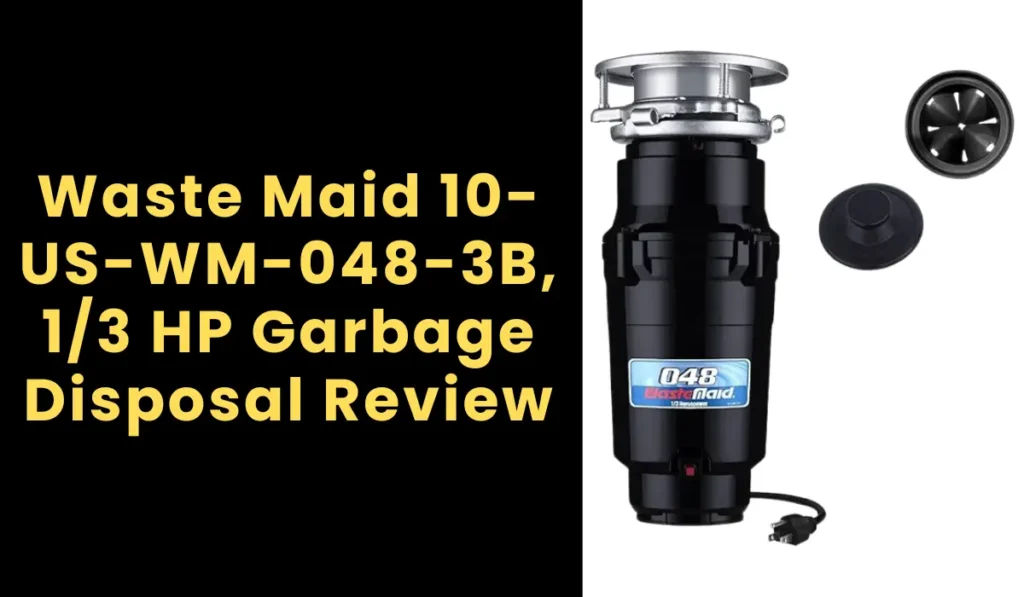
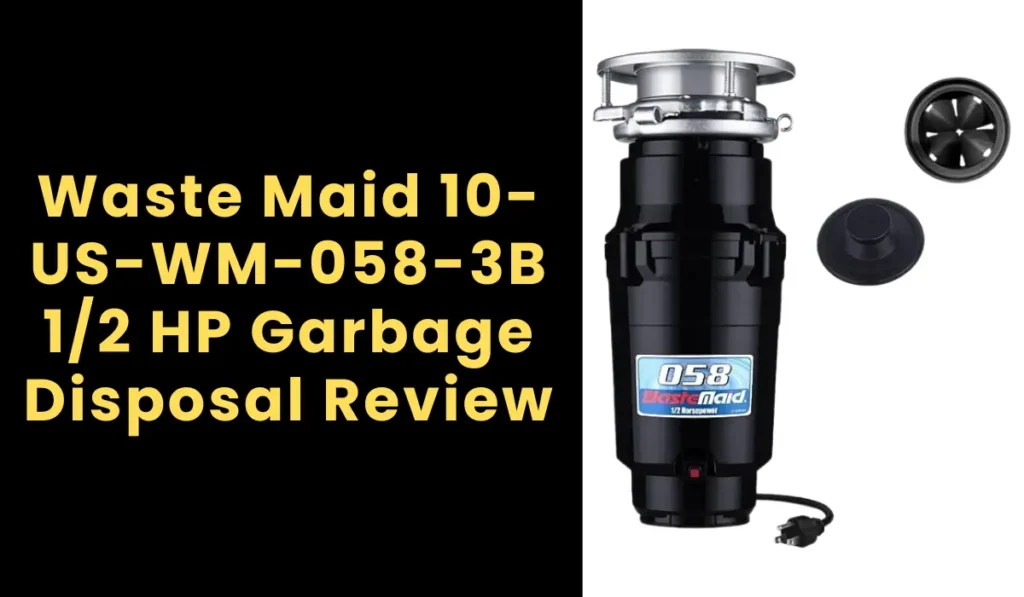
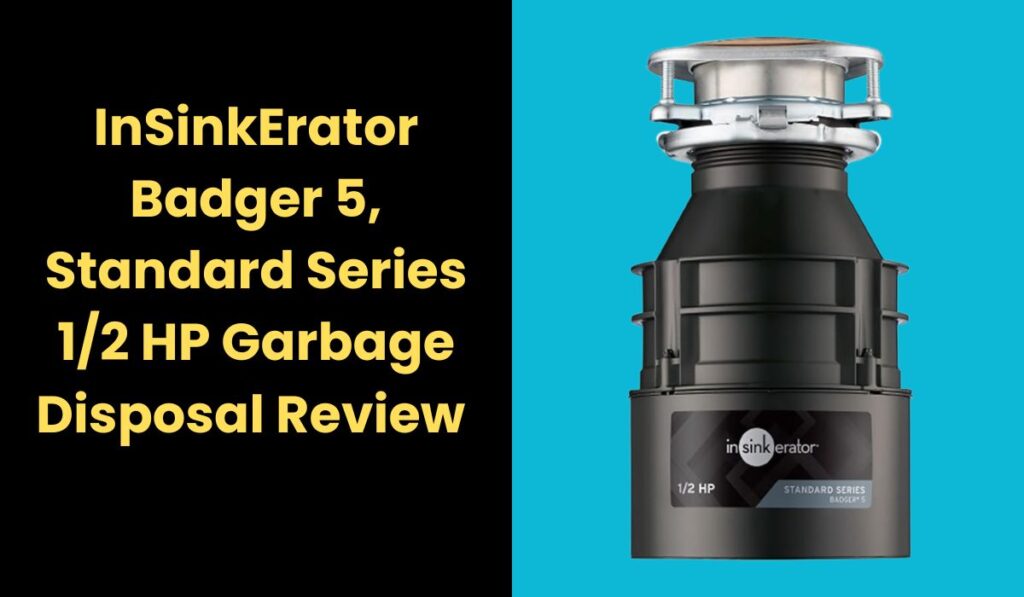
This table covers the majority of residential installations in the US. If you use a garbage disposal, add one bedroom equivalent to your calculation — see our garbage disposal with septic tank guide for details.
The Detailed Method: Calculate by Water Usage
For a more precise estimate — or if you live outside the US where standards differ — calculate based on daily water usage.
Step 1: Estimate Daily Water Usage Per Person
A typical breakdown of daily water consumption:
| Activity | Usage Per Person |
|---|---|
| Bathing/Showering | 50–70 liters (13–18 gallons) |
| Toilet flushing | 30–40 liters (8–11 gallons) |
| Laundry | 20–30 liters (5–8 gallons) |
| Cooking/Drinking | 10–15 liters (3–4 gallons) |
| Cleaning/Other uses | 15–25 liters (4–7 gallons) |
Total: approximately 150–200 liters (40–53 gallons) per person per day.
Step 2: Multiply by Household Size
Multiply the daily per-person usage by the number of occupants.
Example: A 4-person household using 180 liters/person/day: 4 x 180 = 720 liters (190 gallons) per day
Step 3: Apply the Detention Period
Wastewater needs time to separate inside the tank. The standard detention period is 3 days, meaning the tank must hold at least 3 days’ worth of flow.
720 liters x 3 days = 2,160 liters (571 gallons)
Step 4: Add a Sludge Accumulation Factor
Sludge and scum accumulate between pump-outs. Add 30–50% to your calculated volume to account for this buildup.
2,160 liters x 1.4 = 3,024 liters (799 gallons)
In this example, a 1,000-gallon (3,785 liter) tank would be the appropriate minimum — which aligns with the bedroom-based table for a household that likely occupies a 3-bedroom home.
Factors That Affect Sizing
Soil Type
Soil percolation rate affects how quickly the drain field absorbs effluent. Clay soils drain slowly and may require a larger tank to provide more settling time. Sandy soils drain faster.
Water Fixtures
High-flow fixtures (jetted tubs, multiple showers, irrigation systems) increase daily water volume. Low-flow toilets and fixtures reduce it.
Garbage Disposal Use
A disposal adds solid waste to the tank. Factor in an additional 250 gallons (roughly one bedroom equivalent) if a disposal is connected.
Local Regulations
Some counties and states set minimum sizes that exceed the standard table. Always verify with your local health department or building authority before installation.
International Standards
Tank sizing varies by country:
United Kingdom
Minimum capacity is calculated as: 2,700 liters + (180 liters x number of occupants). A 4-person home needs at least 3,420 liters (904 gallons).
India
The Central Public Health and Environmental Engineering Organisation (CPHEEO) provides guidelines based on daily sewage flow rates, detention period, and sludge storage. Typical residential tanks range from 1,000 to 2,000 liters.
Australia
Standards vary by state. Sizing considers daily flow, soil type, and number of bedrooms. Most residential systems use 3,000–4,500 liter tanks.
Key Parts of a Septic Tank
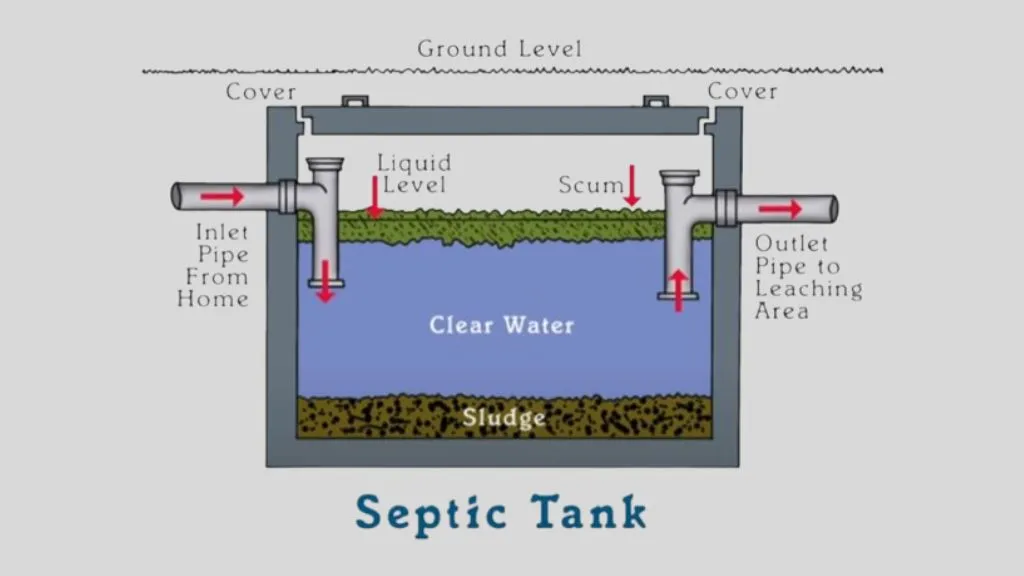
Understanding the components helps you appreciate why sizing matters:
- Inlet pipe — carries wastewater from the house into the tank
- Outlet pipe — moves treated effluent to the drain field
- Baffles — direct flow and prevent solids from reaching the outlet
- Effluent filter — traps remaining particles before they exit
- Access risers — provide ground-level access for inspection and pumping
For a complete breakdown of septic system components and how they work, see our septic tank guide.
Conclusion
For most US homes, sizing by bedroom count gives you a reliable answer — 1,000 gallons for 3 bedrooms, plus 250 gallons per additional bedroom. If you need a more precise figure, calculate based on daily water usage, detention period, and sludge accumulation. When in doubt, go one size up. The cost difference is small compared to the problems an undersized tank creates.
FAQ’s
The Author

Muhammad Nabeel Dar is the founder of GarbageWasteDisposal.com, where he researches and evaluates garbage disposals, kitchen sinks, dishwashers, and kitchen drain systems to help homeowners make confident buying decisions.
After analyzing 30+ garbage disposal models, multiple sink configurations, and a wide range of drain system components across brands like InSinkErator, Waste King, Moen, GE, Frigidaire, and KRAUS, he focuses on what actually matters: real-world performance, build quality, noise levels, installation ease, durability, and overall value.