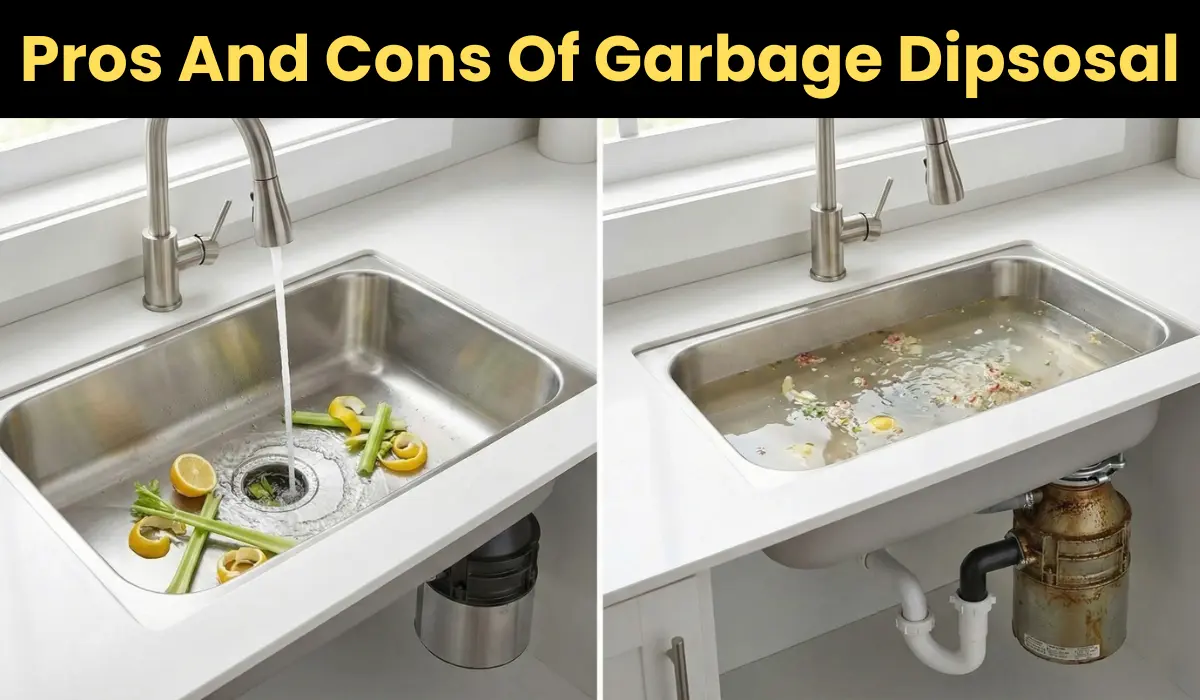
Pros and Cons of Garbage Disposal
Learning the pros and cons of garbage disposal is important before installing one under your kitchen sink. A garbage disposal unit is an under-sink appliance that grinds food scraps into smaller particles so they can move safely through your plumbing system.
While it makes kitchen cleanup easier and reduces trash waste, it also comes with maintenance, environmental, and plumbing considerations. This guide breaks down the advantages and disadvantages of garbage disposal to help you determine if installing a waste disposer makes sense for your home.
Pros of Garbage Disposal
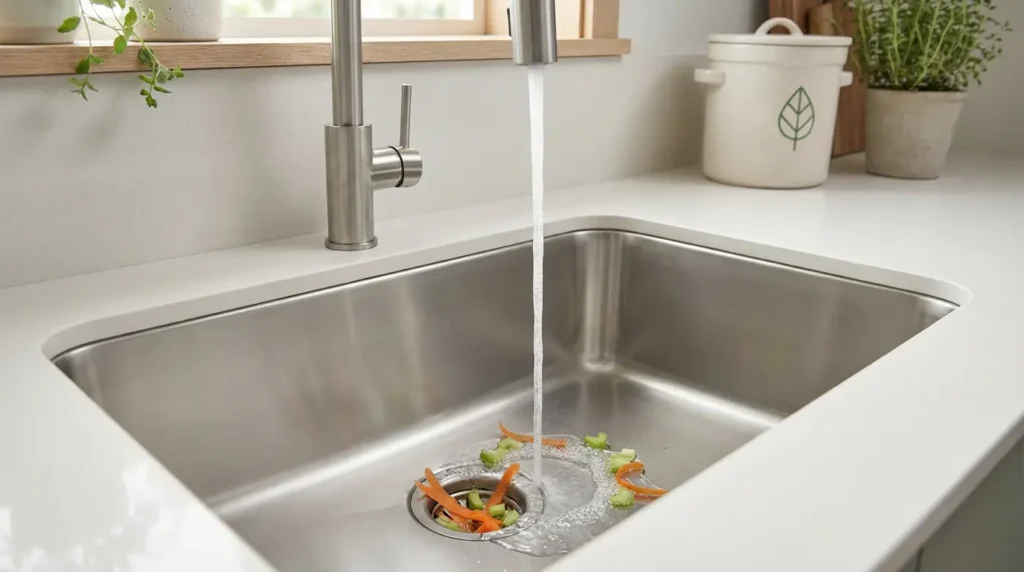
1. Convenient Kitchen Clean-Up
One of the biggest benefits of a garbage disposal is the quicker kitchen cleanup it enables. During meal prep and after meals, food scraps can go directly into the drain instead of the trash. This reduces trash bag use and eliminates the need to carry plates full of scraps to the bin. For busy households, this added convenience makes daily cooking easier.
2. Reduces Odors and Rotting Food Smell
Food waste in garbage cans decomposes quickly, creating unpleasant odors. In warmer areas, it can even attract pests or animals. A garbage disposal sends food scraps down the drain immediately, helping reduce smells. However, the unit must still be cleaned regularly to prevent buildup. Using citrus peels, vinegar, or baking soda can help control odors inside the disposal.
3. Helps Protect Pipes from Clogs
Many people assume garbage disposals damage plumbing, but when used properly, they can actually help protect it. By grinding food waste into smaller pieces, they reduce the chance of large scraps entering and blocking pipes. This lowers the risk of clogged drains and helps minimize grease buildup when combined with proper use.
4. Energy Efficient and Affordable to Operate
Modern garbage disposals are generally energy-efficient and inexpensive to run. They use minimal electricity and operate for short periods, which keeps utility costs low. With regular maintenance, most units last between 8 and 10 years, making them a cost-effective kitchen upgrade.
5. Can Support Wastewater Treatment and Renewable Energy
In areas connected to municipal sewer systems, ground food waste travels to wastewater treatment facilities. In some regions, this organic material is converted into renewable energy or fertilizer. While composting is still an excellent eco-friendly option, properly managed disposal systems can also contribute to sustainable waste management and reduced landfill use.
Cons of Garbage Disposal
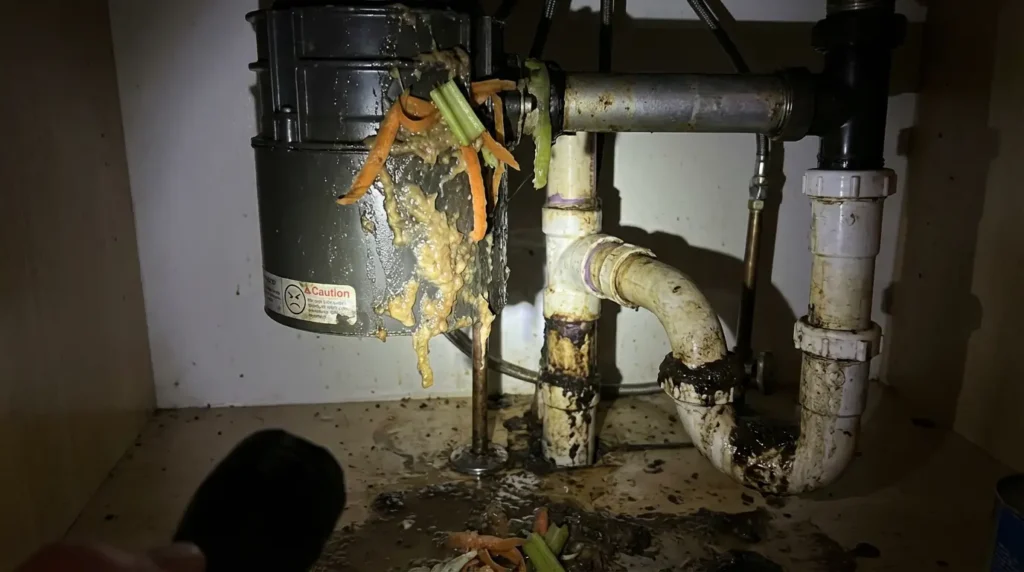
1. Risk of Clogs, Jams, and Breakdowns
Garbage disposals are not designed to handle every type of waste. Fibrous vegetables like celery, asparagus, corn husks, and banana peels can wrap around internal components and cause jams.
Hard items such as bones, fruit pits, and shells can damage the unit. Grease, oil, butter, and fats can solidify and lead to clogs. Starchy foods like rice, pasta, and potato peels can expand and contribute to blockages. These issues may require repairs or professional service.
2. Requires Ongoing Maintenance
Even when used correctly, garbage disposals need regular care. Food particles can remain inside the chamber and cause odors or corrosion over time. Best practices include running cold water during use, feeding waste gradually, and cleaning the unit periodically with vinegar or baking soda.
3. Increases Water Usage
A garbage disposal requires running water to flush waste through the drain. On average, a sink uses about two gallons of water per minute. While this is modest compared to total household water usage, frequent operation can add up, especially in areas with water restrictions.
4. Safety Risks If Misused
Garbage disposals are powerful appliances and can pose safety risks if handled improperly. Hands should never be placed inside the drain. Households with children may consider using protective drain covers. If the unit stops working, the reset button may solve minor issues.
For mechanical jams, a hex key can be used to rotate the flywheel manually. Power should always be disconnected before troubleshooting.
5. Repair and Replacement Costs
Like all appliances, garbage disposals wear out over time. As they age, breakdowns become more common. Minor issues can sometimes be repaired, but major internal damage often requires full replacement. Unexpected repair costs and downtime can be inconvenient, especially if the kitchen sink becomes unusable.
When a Garbage Disposal Makes Sense
A garbage disposal makes sense for households that cook frequently, generate consistent food scraps, and want faster kitchen clean-up. Homes connected to well-maintained municipal sewer systems typically handle waste disposal efficiently. For families prioritizing convenience and pipe protection, a disposal unit can be a practical kitchen appliance.
When It May Not Be the Best Option
If your home has an older septic tank, strict water usage concerns, or limited plumbing capacity, a garbage disposal may create more problems than benefits. Some homeowners prefer composting biodegradable waste instead. Compost bins offer an eco-friendly alternative that reduces sewage load and preserves nutrients in food scraps.
Final Verdict
The pros and cons of garbage disposal depend largely on lifestyle and infrastructure. For many homeowners, the convenience, odor control, and plumbing support outweigh the maintenance and installation considerations. However, misuse can lead to clogs, mechanical problems, and septic strain. When installed correctly and used responsibly, a garbage disposal remains a practical and efficient addition to a modern kitchen.
The Author

Muhammad Nabeel Dar is the founder of GarbageWasteDisposal.com, where he researches and evaluates garbage disposals, kitchen sinks, dishwashers, and kitchen drain systems to help homeowners make confident buying decisions.
After analyzing 30+ garbage disposal models, multiple sink configurations, and a wide range of drain system components across brands like InSinkErator, Waste King, Moen, GE, Frigidaire, and KRAUS, he focuses on what actually matters: real-world performance, build quality, noise levels, installation ease, durability, and overall value.