Garbage Disposal Vibrating? Causes & Easy Fixes
A garbage disposal vibrating slightly during operation is normal. The motor spins a grind plate at high speed (around 1,725–2,800 RPM), which naturally creates some movement. But if your sink is shaking, dishes are rattling, or you hear loud knocking sounds, that’s a sign something isn’t right.
Excessive vibration usually points to loose mounting hardware, an unbalanced unit, or something stuck inside the disposal. The good news is most of these issues are easy to fix at home. In this guide, you’ll learn what causes a garbage disposal vibrating problem and how to fix it step by step.
Common Causes of Garbage Disposal Vibrating or Shaking
1. Foreign Object Stuck Inside
One of the most common causes of a garbage disposal vibrating is a foreign object stuck inside the grind chamber. Items like coins, small utensils, broken glass, or bone fragments can create a loud rattling or metallic clanking sound as the grind plate spins.
To fix this, turn off the power completely by unplugging the unit or switching off the breaker. Use a flashlight to inspect the chamber and remove any visible object with tongs or pliers—never your hands. After clearing the obstruction, manually rotate the grind plate using a 1/4″ hex wrench from the bottom to ensure it moves freely.
Press the reset button, restore power, run cold water, and test.
2. Loose Mounting Hardware
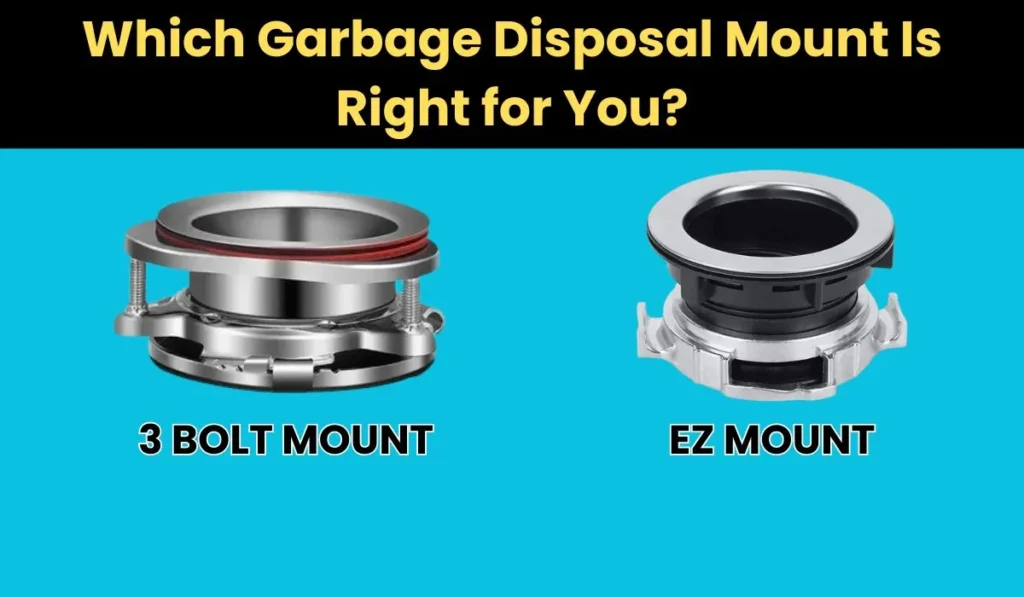
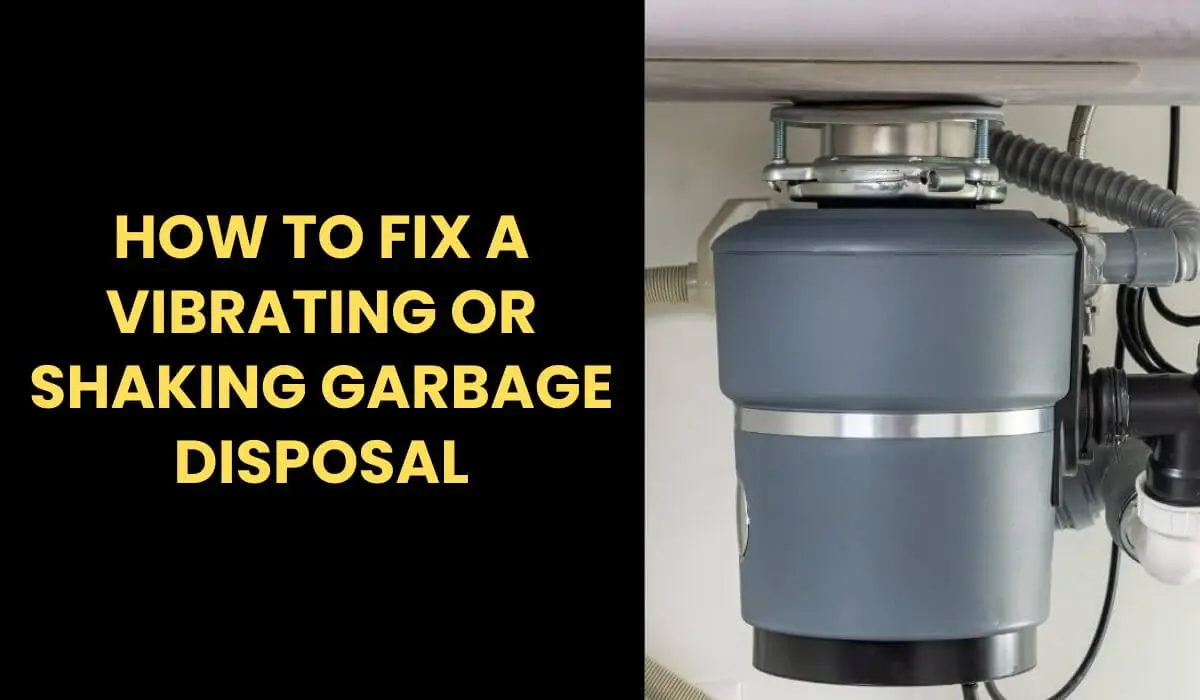
Garbage disposals are secured to the sink using a mounting system (usually a three-bolt mount or EZ Mount), and over time, these connections can loosen, amplifying even small vibrations.
Turn off the power before starting. Support the disposal from below or have someone hold it steady while you tighten the mounting bolts evenly with a screwdriver. Check that the snap ring is properly seated in its groove and inspect the sink flange for any gaps—if needed, reapply plumber’s putty.
If the unit started vibrating right after installation, there’s a good chance something was installed incorrectly.
3. Damaged or Misaligned Impellers
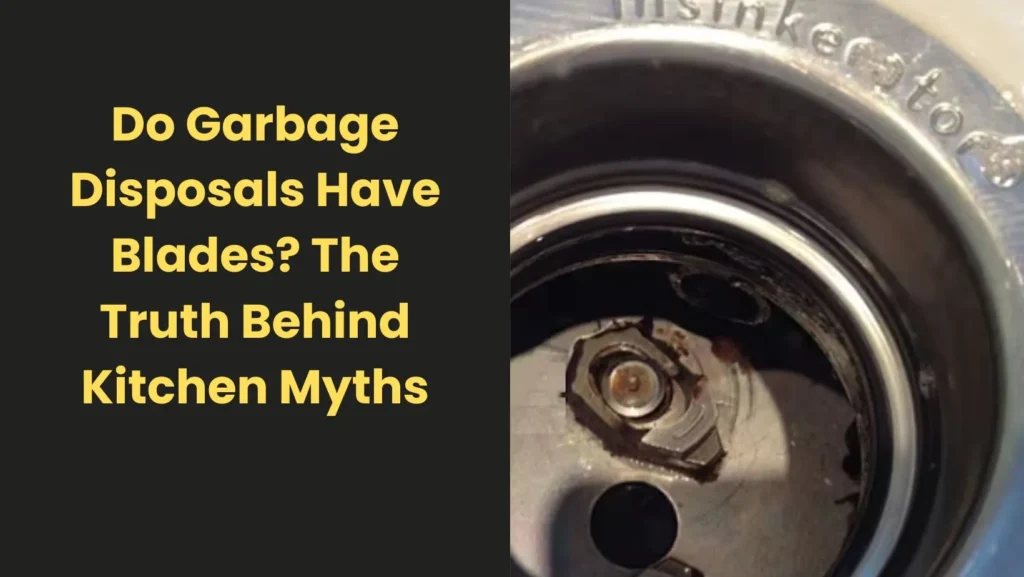
Garbage disposals don’t use sharp blades—instead, they rely on small metal impellers (lugs) that spin and push food against the grind ring. If one of these impellers becomes bent, cracked, or stuck, it can throw the grind plate off balance and cause noticeable vibration.
Insert a hex wrench into the bottom socket and rotate the plate to check for resistance. Then inspect the impellers with a flashlight—look for one that isn’t moving freely or appears damaged. If slightly bent, you may be able to gently straighten it with pliers.
4. Worn Motor Bearings
In older units, worn motor bearings can cause a different type of vibration—more of a steady, low-frequency shaking rather than a sharp rattle. This usually happens in disposals that are 8–10 years old or have seen heavy use over time.
Signs include vibration that gradually worsens, grinding noises even when the chamber is empty, and reduced performance with food waste. Unlike jams or loose parts, this is an internal wear issue. Unfortunately, bearing replacement isn’t practical for most residential disposals. The best solution here is to replace the unit entirely.
You can explore reliable upgrade options in our best garbage disposals guide.
5. Plumbing Connections Vibrating
Sometimes the vibration isn’t coming from the disposal itself but from the connected plumbing. Loose discharge tubes or dishwasher hoses can rattle against cabinets, pipes, or walls when the disposal is running.
For this issue, run the disposal and carefully feel around to locate where the vibration is strongest. Tighten the discharge tube connection at the disposal and secure any loose pipes using clamps. If needed, add a rubber pad or insulation between the disposal and nearby surfaces to reduce contact noise and absorb vibration.
When to Replace A disposal Instead of Repair
Replace the disposal if:
- Motor bearings are worn (constant wobble with empty chamber)
- Impellers are cracked or broken off
- Mounting flange is corroded and cannot hold a tight seal
- Vibration persists after checking all causes above
- Unit is 10+ years old
Conclusion
Excessive vibration almost always points to one of five things: a stuck object, loose mounting, damaged impellers, worn motor bearings, or rattling plumbing connections. Work through them in order — the first three are easy DIY fixes. If the bearings are worn or the impellers are broken, replace the unit.
FAQ’S
The Author

Muhammad Nabeel Dar is the founder of GarbageWasteDisposal.com, where he researches and evaluates garbage disposals, kitchen sinks, dishwashers, and kitchen drain systems to help homeowners make confident buying decisions.
After analyzing 30+ garbage disposal models, multiple sink configurations, and a wide range of drain system components across brands like InSinkErator, Waste King, Moen, GE, Frigidaire, and KRAUS, he focuses on what actually matters: real-world performance, build quality, noise levels, installation ease, durability, and overall value.