can you put drain cleaner in a garbage disposal?
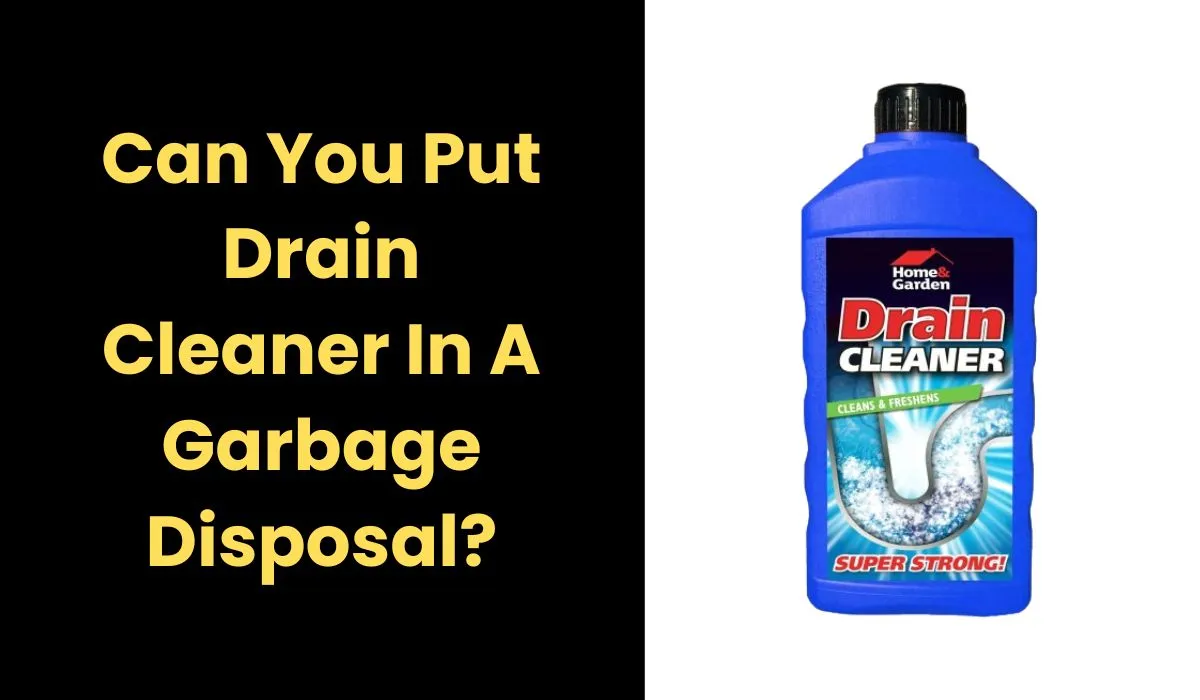
Can you put drain cleaner in a garbage disposal? No, you should never use chemical drain cleaners like Drano, Liquid-Plumr, or similar products in a garbage disposal. These chemicals can damage the internal components of your unit and create serious safety hazards under the sink. Knowing this before reaching for a quick fix can save both your disposal and your peace of mind.
Why Chemical Drain Cleaners Damage garbage Disposals
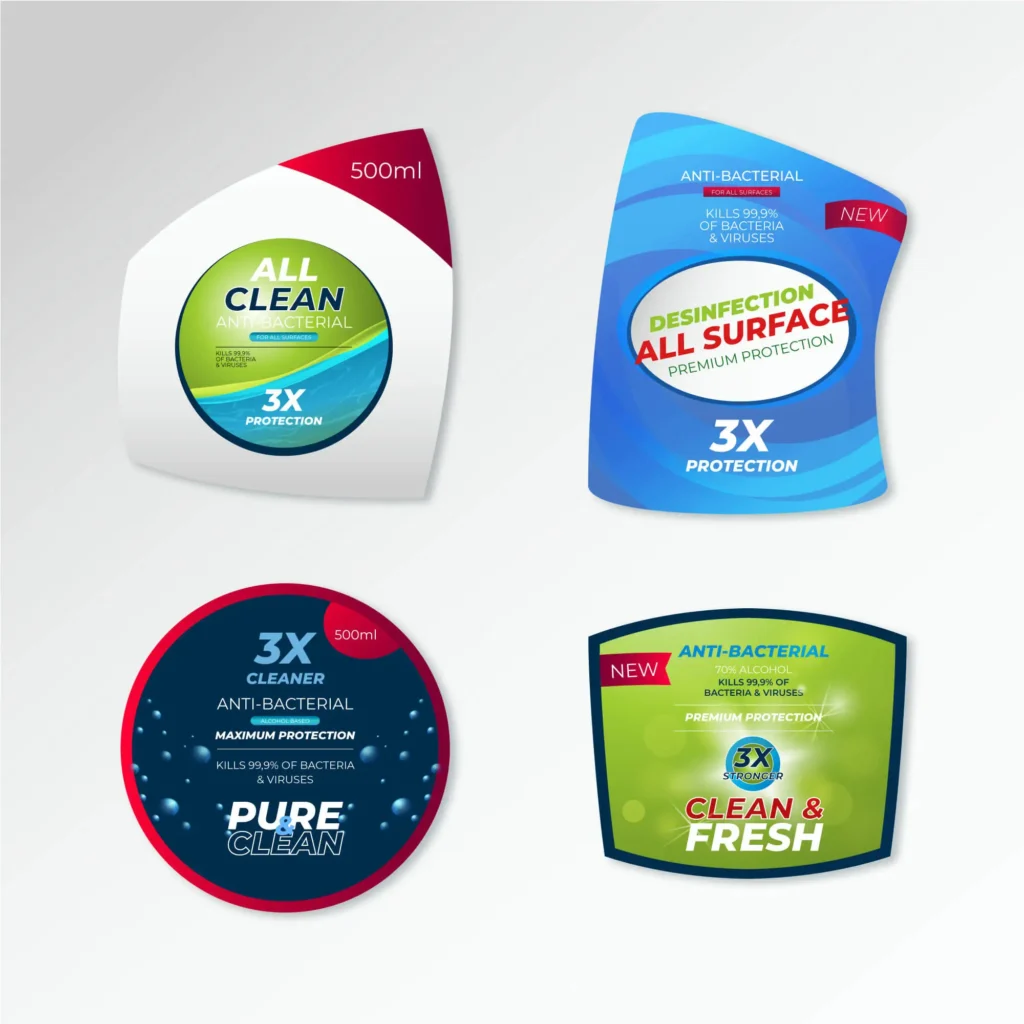
Chemical drain cleaners contain sodium hydroxide (lye), sulfuric acid, or concentrated bleach. These chemicals:
- Create a chemical hazard — if the cleaner does not clear the clog, it pools inside the disposal. Anyone who later tries to repair or clean the unit is exposed to caustic chemicals
- Corrode the grind ring and impellers — repeated exposure pits and weakens the metal grinding components
- Degrade rubber seals and gaskets — the heat generated by chemical reactions accelerates seal failure, leading to leaks
- Damage PVC drain pipes — the exothermic reaction generates enough heat to soften or warp plastic plumbing
Safe Alternatives That Actually Work
Thankfully, there are a few safe and effective methods to clean and unclog your garbage disposal that don’t require harsh chemicals:
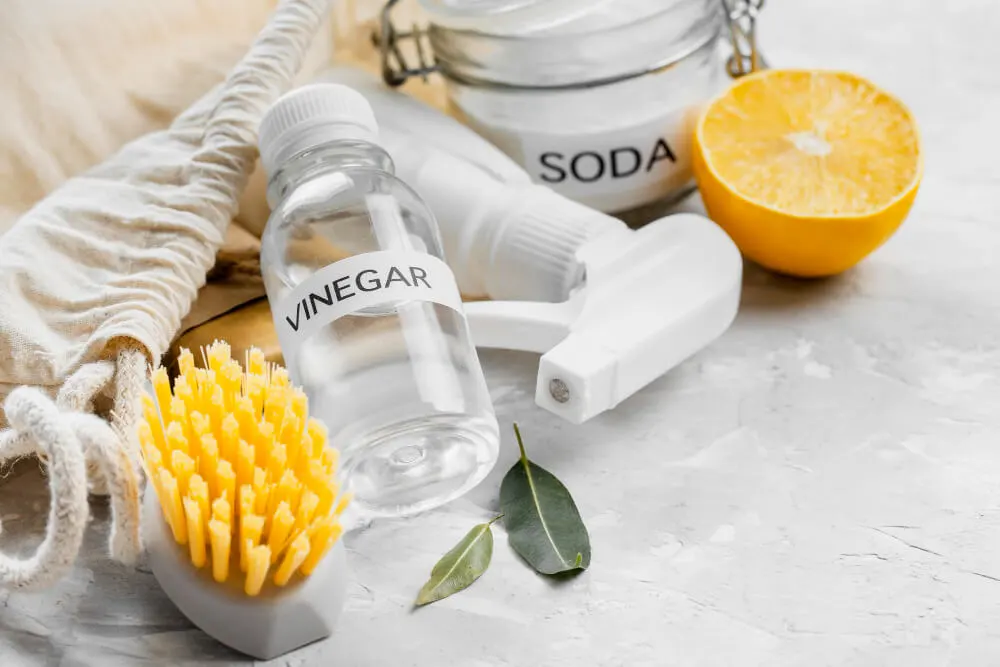
1. Vinegar and Baking Soda
2. Ice and Coarse Salt
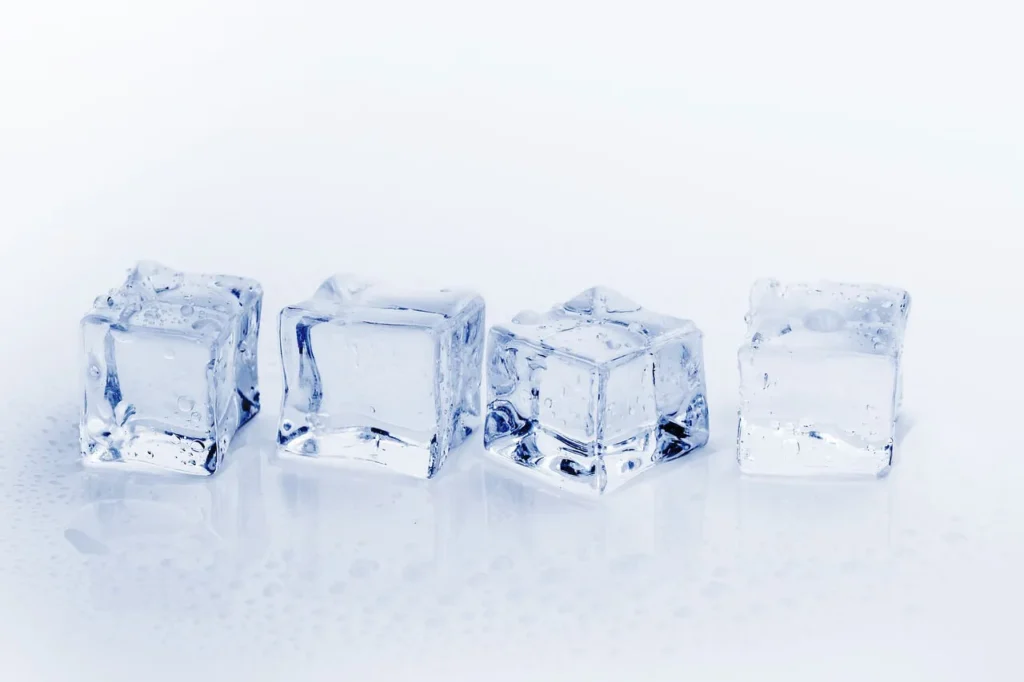
Drop a handful of ice cubes and 2-3 tablespoons of coarse salt into the disposal. Run cold water and turn on the disposal until the ice is crushed. The ice and salt scrub residue off the grind ring and chamber walls.
4. Enzyme-Based Cleaners
Products like Bio-Clean or Green Gobbler use natural enzymes to break down organic material over several hours. They are safe for disposal components, PVC pipes, and septic systems. Use monthly as preventive maintenance.
5. Mechanical Methods
If the disposal is jammed or water is not draining:
- Turn off power
- Use a 1/4″ Allen wrench to free the grind plate
- Use a plunger over the drain opening
- If the clog is past the disposal, use a drain snake through the P-trap
For stubborn clogs or slow drainage, see our guide on sinks that only drain when the disposal is on.
What About “Disposal-Safe” Drain Cleaners?
Some products like Drano and Affresh Cleaners claim to be safe for garbage disposals. These milder formulations cause less damage than standard drain cleaners but are still not recommended for regular use. Enzyme-based cleaners or mechanical methods are always preferable for disposals.
Preventing Clogs Without Chemicals
- Run cold water before, during, and 30 seconds after grinding — flushes food completely through the drain
- Feed food gradually — do not dump large loads at once
- Avoid grease, coffee grounds, fibrous vegetables, and eggshells
- Clean monthly with ice/salt or baking soda/vinegar
Conclusion
Chemical drain cleaners corrode disposal components, damage seals, and create safety hazards. Use baking soda and vinegar, ice and salt, enzyme cleaners, or mechanical methods instead. For actual clogs, a plunger or drain snake is more effective and safer than any chemical product.
The Author

Muhammad Nabeel Dar is the founder of GarbageWasteDisposal.com, where he researches and evaluates garbage disposals, kitchen sinks, dishwashers, and kitchen drain systems to help homeowners make confident buying decisions.
After analyzing 30+ garbage disposal models, multiple sink configurations, and a wide range of drain system components across brands like InSinkErator, Waste King, Moen, GE, Frigidaire, and KRAUS, he focuses on what actually matters: real-world performance, build quality, noise levels, installation ease, durability, and overall value.