Garbage Disposal Replacement: Full Cost Breakdown
Garbage disposal replacement costs more this year than it did last year, and not because the disposals themselves got fancier. A 4.3 percent jump in major appliance prices in a single month, reported by the Bureau of Labor Statistics (BLS) in May 2026, hit the whole appliance category, disposals included. That single fact changes the repair-versus-replace math for a lot of households right now.
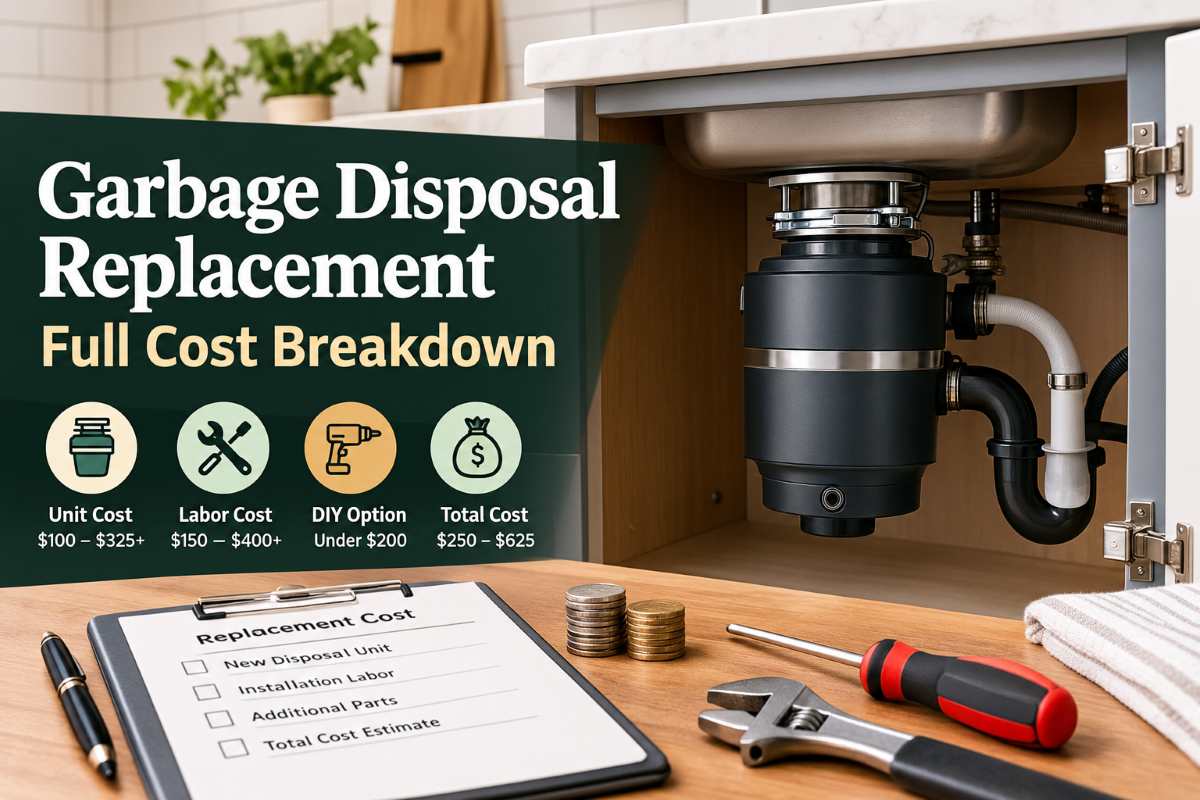
Here’s where most homeowners land: a full replacement, unit plus labor, typically runs $250 to $625 in 2026. DIY brings that down under $200. A straight repair often costs less, but not always enough less to make sense once you factor in a disposal’s actual lifespan.
Repair or Replace: The Signs That Actually Matter
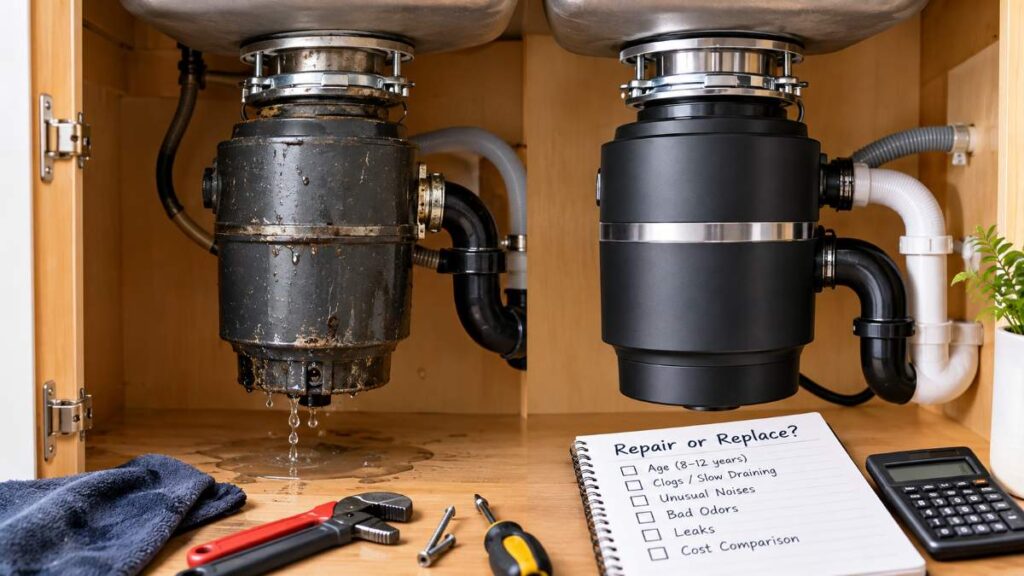
A garbage disposal lasts 8 to 12 years with normal use and basic care. Age alone is not a verdict, but it changes which symptoms are worth fixing and which ones aren’t.
Persistent clogs, a unit that keeps tripping its reset button, grinding noises that weren’t there before, smells that additives don’t fix, or actual water leaking from the housing, any one of these on a disposal past the 8 year mark points toward replacement rather than repair. The same symptoms on a 2 or 3 year old unit are usually worth a repair call first.
Run the numbers before deciding. A jammed impeller repair lands around $130 to $330. A full replacement starts around $250. Once a repair bill creeps close to half the price of a new unit, and the disposal is already past its expected working life, replacing it stops being the cautious choice and becomes the obvious one.
What Garbage Disposal Replacement Actually Costs in 2026
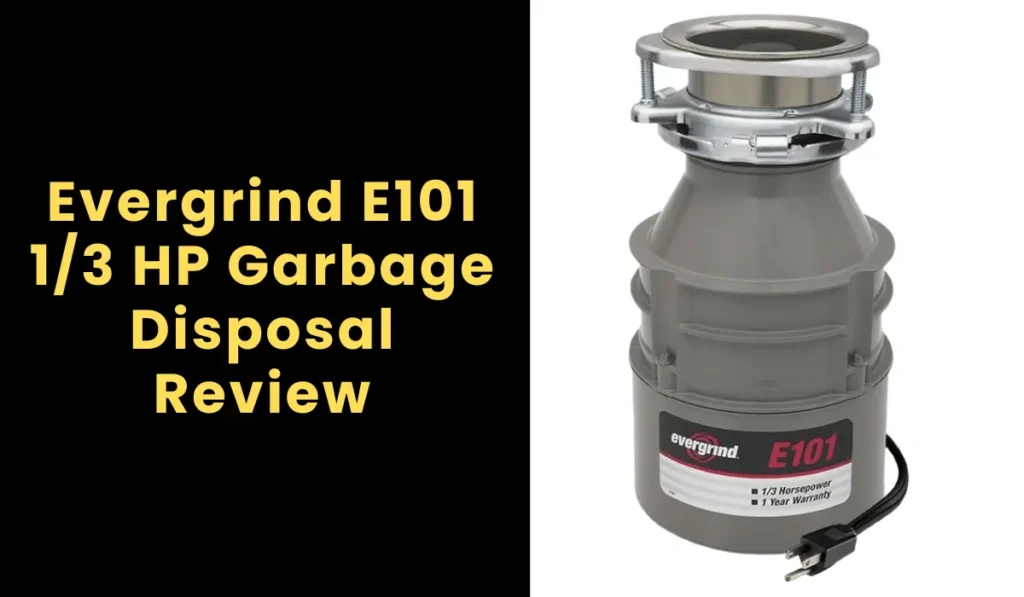
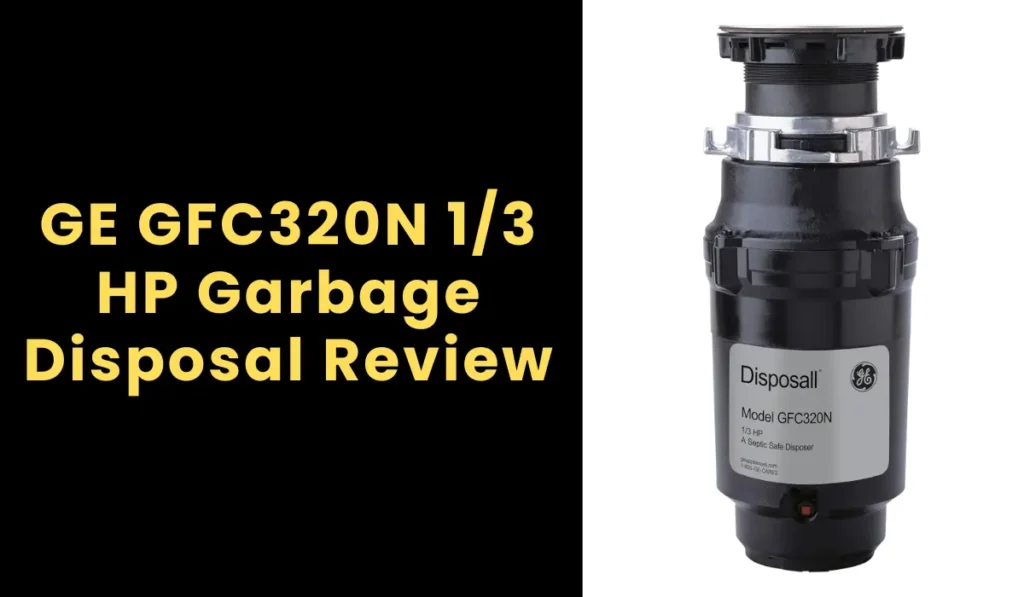
Horsepower drives most of the price difference between units. Expect roughly $100 for 1/3 HP, $130 for 1/2 HP, $200 for 3/4 HP, and $325 for a 1 HP flagship, based on current retail pricing. Sizing the right HP for your household matters more than chasing the cheapest unit on the shelf, since an undersized disposal jams more and lasts less regardless of price.
Feed type moves the number too. Continuous feed units run $90 to $450 depending on tier, with reliable mid-range models sitting around $165. Batch feed averages closer to $300, largely because the enzyme cartridge hardware and the safety mechanism add cost that has nothing to do with grinding power.
Material matters at the high end. Aluminum housings run $75 to $300. Stainless steel construction jumps to $400 to $1,100, mostly for corrosion resistance and a longer service life rather than better grinding.
Installation Labor: DIY vs Professional
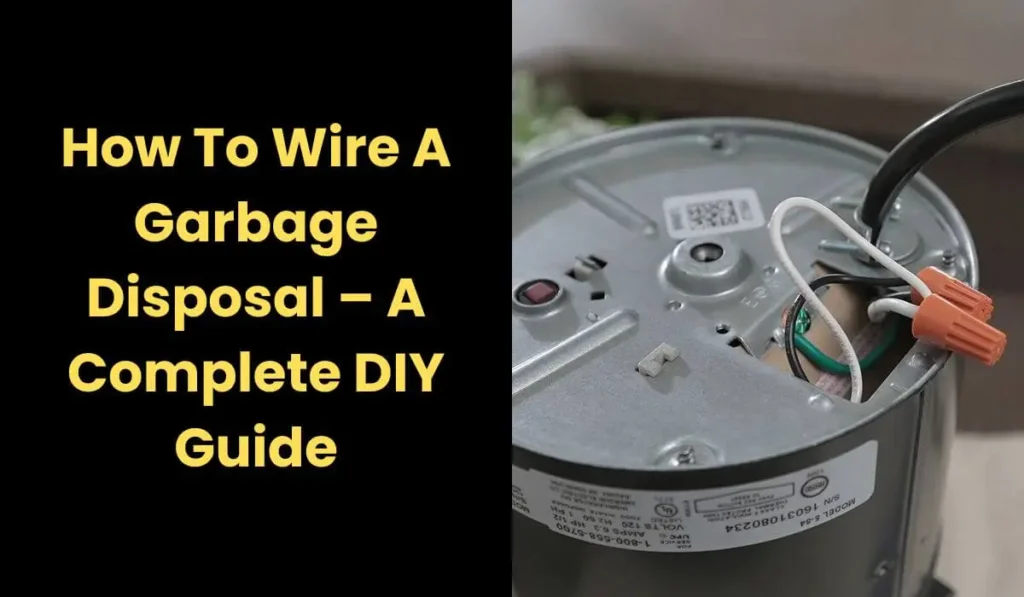
A straight swap, same mounting system, same wiring, no new circuit needed, is genuinely a DIY-friendly job. Budget under $200 total and under two hours of work if you’re comfortable with basic plumbing and a non-contact voltage tester. Our step-by-step installation guide walks through the full process.
Hiring it out costs more, obviously, but the range is wide. A simple unit swap with a plumber starts around $150 in labor alone. Complex jobs, new electrical circuits, a dishwasher line that needs rerouting, unusual under-sink plumbing, can climb toward $1,000. Professional installs combining parts and labor typically land at $400 to $600 for a standard job.
Labor rates themselves run $50 to $125 an hour depending on your market, with most plumbers charging a $70 to $130 minimum service call regardless of how quick the actual swap turns out to be.
Full Garbage Disposal Replacement Cost Breakdown by Budget Tier
| Budget Tier | Total Cost (Parts + Labor) | What You Get |
|---|---|---|
| Affordable | $150 to $300 | Entry HP, continuous feed, basic warranty |
| Mid-range | $300 to $600 | 3/4 HP standard, stronger warranty, quieter motor |
| Premium | $600 to $1,200+ | 1 HP or stainless steel, batch feed options, longest warranty terms |
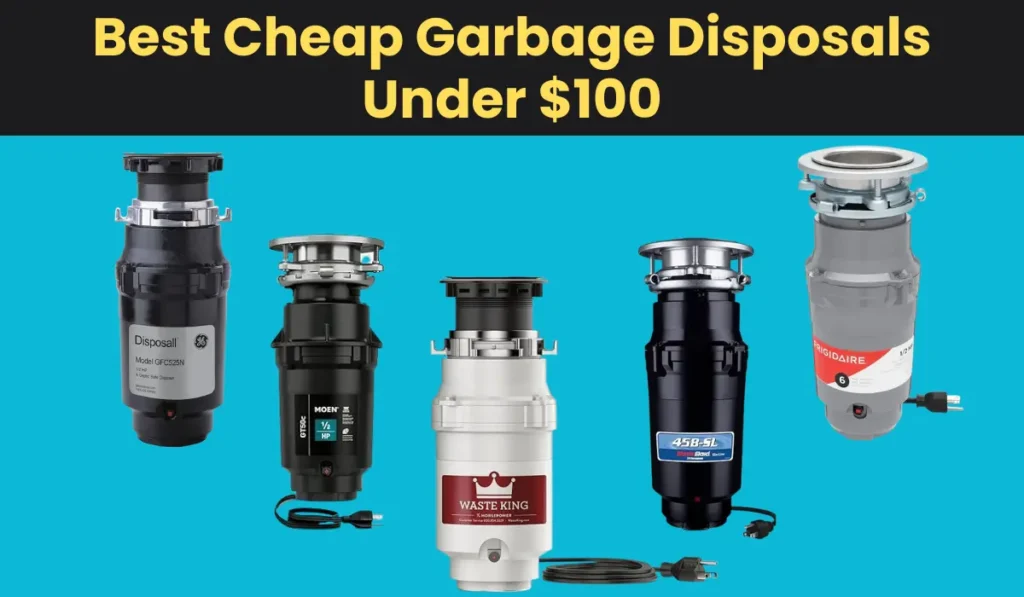
The Waste King L-111 sits squarely in the affordable tier and holds up fine for a household that isn’t running the disposal hard every day. Spending more buys quieter operation and a longer warranty, not dramatically better grinding, at least until you’re comparing genuinely different horsepower tiers.
The Hidden Cost Most Guides Skip
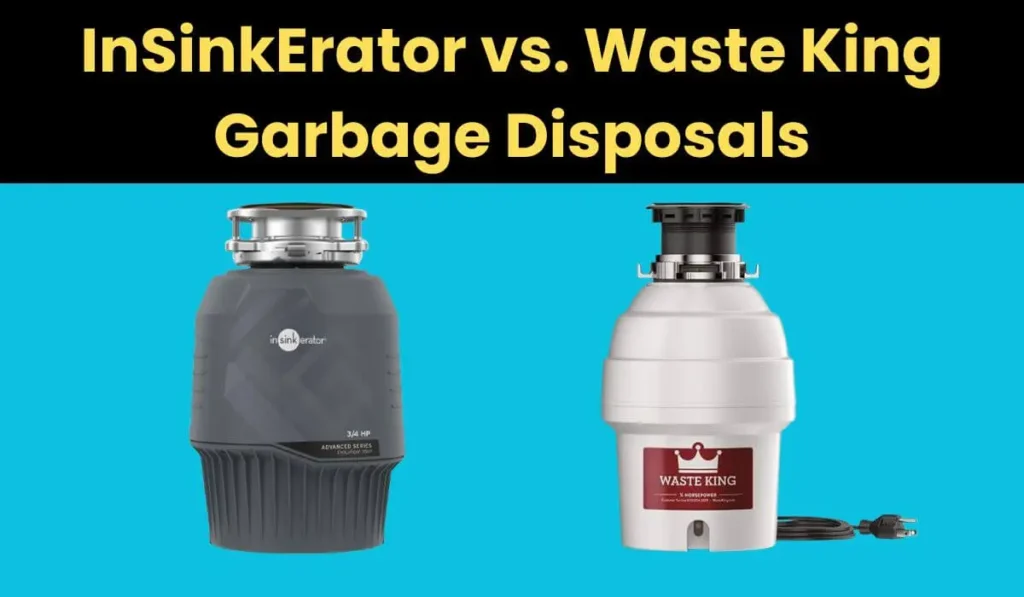
Mounting compatibility is the cost nobody mentions until it’s too late. InSinkErator’s 3-bolt Quick Lock system dominates the market, and switching to a different brand’s mounting assembly sometimes means extra parts or extra labor time that wasn’t in the original quote. If your old unit and new one share a mounting system, the swap stays simple. If they don’t, ask about it before you buy, not after the plumber’s already under your sink.
The dishwasher knockout plug is the other one. Skip knocking it out on a new unit that’s plumbed to a dishwasher, and the dishwasher won’t drain at all. It’s a two-minute fix if you catch it, and a return trip if you don’t.
One more thing worth knowing before you haul the old unit to the curb: it’s worth more than trash. Recycling the old disposal rather than tossing it takes about 20 minutes and keeps recoverable copper and steel out of a landfill.
Conclusion
Garbage disposal replacement in 2026 costs more than it did a year ago, and tariffs, not the disposals themselves, are why. The math still comes down to the same basics it always has: check the unit’s age, price the repair against a real replacement quote, and size the new unit correctly instead of grabbing whatever’s cheapest on the shelf. Get those three right and the rest of the decision takes care of itself.
FAQ’s
The Author

Muhammad Nabeel Dar is the founder of GarbageWasteDisposal.com, where he researches and evaluates garbage disposals, kitchen sinks, dishwashers, and kitchen drain systems to help homeowners make confident buying decisions.
After analyzing 30+ garbage disposal models, multiple sink configurations, and a wide range of drain system components across brands like InSinkErator, Waste King, Moen, GE, Frigidaire, and KRAUS, he focuses on what actually matters: real-world performance, build quality, noise levels, installation ease, durability, and overall value.