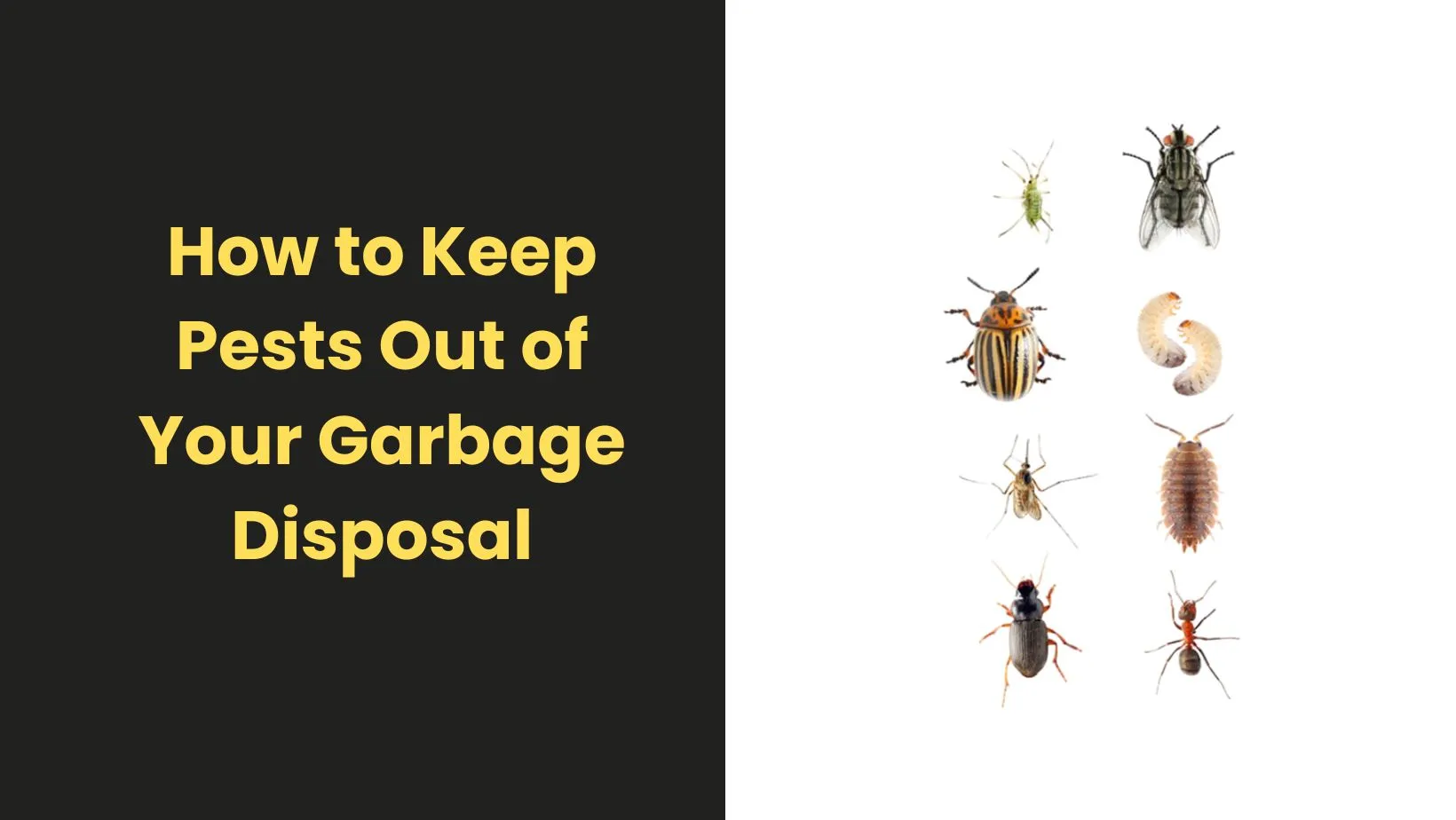
How to Keep Pests Out of Your Garbage Disposal
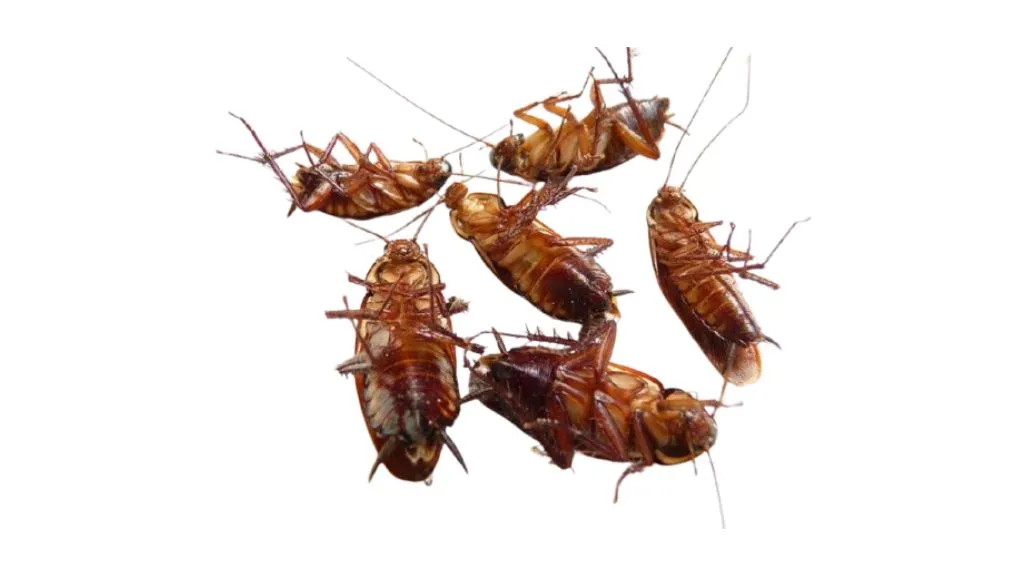
You pour your morning coffee and scrape the last crumbs of toast into the sink, then flip the switch on your garbage disposal — only to hear a faint, frantic buzzing. Look closer, and tiny fruit flies dart around the drain, or worse, you spot a cockroach scuttling near the chamber. It’s a scene no homeowner wants, but it happens more often than you think.
Learning how to keep pests out of a garbage disposal isn’t just about swatting bugs — it’s about stopping them at the source by removing the food, moisture, and hiding spots that make your disposal a mini paradise for unwanted guests.
Why Pests Show Up in Your Disposal
- Food scraps and grease accumulate inside the grinding chamber after use
- Leftover particles stick to the grind ring, impellers, and splash guard
- Warmth and darkness provide ideal hiding and breeding conditions
- Decomposing food produces odors that attract flies, roaches, and ants from outside the drain
- Once pests arrive, they multiply rapidly — fruit flies can go from egg to adult in 8 days
- Without intervention, a small nuisance becomes a full infestation
The key to pest prevention is breaking this chain at steps 1 and 2 — remove the food source.
6 Ways to Keep Pests Away
1. Run Cold Water Before, During, and After Grinding
Run cold water for 15 seconds before you start the disposal, the entire time it operates, and 30 seconds after grinding stops. This flushes food particles completely through the drain line instead of letting them settle inside the chamber.
Cold water also solidifies grease so it gets ground into small particles rather than coating the chamber walls. See hot vs. cold water for garbage disposals for more detail.
2. Use a Drain Stopper When Not in Use
A rubber or silicone drain cover over the disposal opening blocks pests from entering through the drain. It also contains odors that would otherwise rise from the chamber and attract insects.
Cover the drain every night. Most pest activity happens after dark when the kitchen is quiet.
3. Clean Weekly With Ice and Salt
Drop a handful of ice cubes and 2-3 tablespoons of coarse salt into the disposal. Run cold water and grind until the ice is crushed. The ice and salt scrub residue off the grind ring and chamber walls — the exact residue that feeds pests.
4. Deep Clean Monthly With Baking Soda and Vinegar
Pour 1/2 cup baking soda into the disposal, followed by 1 cup white vinegar. Cover the drain and let it fizz for 15 minutes. The reaction breaks down grease and biofilm that weekly cleaning may miss. Flush with cold water while running the disposal.
For a complete cleaning walkthrough, see how to clean a garbage disposal.
5. Scrub the Splash Guard
The rubber splash guard traps food and bacteria on its underside. Lift it out and scrub both sides with a toothbrush and dish soap monthly. This is often the single biggest odor (and pest attraction) source that gets overlooked.
6. Grind Citrus Peels Weekly
Lemon and orange peels release limonene, a natural compound that repels many insects. Grind small pieces of citrus peel with cold water once a week as a finishing step after your regular cleaning.
Natural Pest Repellents
If pests have already appeared, these help repel them while you address the root cause (cleaning):
| Method | How to Use | What It Repels |
|---|---|---|
| Peppermint Oil | 10 drops in 1 cup water, spray around sink area weekly | Ants, roaches, spiders |
| White Vinegar | Pour 1 cup down drain, let sit 30 min, then flush with water | Fruit flies, drain flies |
| Citrus Peels | Grind in disposal weekly to freshen and repel pests | Fruit flies, gnats |
These are supplements, not solutions. If the disposal and drain are clean, pests have no reason to stay.
Conclusion
Pests in your disposal are a cleaning problem, not a pest control problem. Run cold water every time, cover the drain at night, clean weekly with ice and salt, deep clean monthly, and scrub the splash guard. Eliminate the food source and the pests have no reason to be there.
FAQ’s
The Author

Muhammad Nabeel Dar is the founder of GarbageWasteDisposal.com, where he researches and evaluates garbage disposals, kitchen sinks, dishwashers, and kitchen drain systems to help homeowners make confident buying decisions.
After analyzing 30+ garbage disposal models, multiple sink configurations, and a wide range of drain system components across brands like InSinkErator, Waste King, Moen, GE, Frigidaire, and KRAUS, he focuses on what actually matters: real-world performance, build quality, noise levels, installation ease, durability, and overall value.